





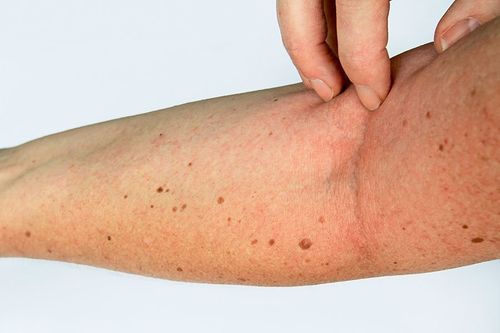
Neurofibromatosis Type 1 Symptoms: Risk Factors & Treatments
Neurofibromatosis Type 1 Symptoms: Causes, Treatments and Care
Neurofibromatosis Type 1 is typically a genetic disorder that impacts the growth of nerve cells, which results in tumors in the body. It is among the most common types of neurofibromatosis, presenting unique characteristics and symptoms that set it apart from other forms, such as Neurofibromatosis Type 2.
Statistically, it affects about 1 in 3,000 individuals worldwide and thus ranks among the more frequent genetic disorders. This condition is inherited in an autosomal dominant pattern; a child has a 50% chance of inheriting NF1 when one of the parents has the disorder.
Continue reading to know more about neurofibromatosis symptoms, contributing factors, and possible treatment approaches to help manage this condition.
What is Neurofibromatosis?
Neurofibromatosis causes tumors on nerve tissue, affecting different body parts, including the skin, bones, and brain. It is often referred to as NF1 or von Recklinghausen disease. This disorder causes multiple benign (non-cancerous) tumors, especially neurofibromas, which are soft bumps either on or under the skin.
Although NF1 is benign, it may significantly affect a person's quality of life. Additionally, neurofibromatosis type 1 vs 2 must be differentiated since both have different criteria and symptoms. Diagnosis typically follows the neurofibromatosis type 1 criterion, which includes several clinical signs.
There are three distinct forms of neurofibromatosis:
- Neurofibromatosis Type 1 (NF1)
- Neurofibromatosis Type 2 (NF2)
- Schwannomatosis
Each type has different symptoms, risk factors, and treatments, but NF1 is the most common form. Read below to know more about it in depth.
Neurofibromatosis Type 1 Symptoms
The symptoms of neurofibromatosis type 1 vary from mild to severe. Common neurofibromatosis symptoms include:
1. Café-au-lait Spots
Light brown skin spots are usually one of the earliest signs of neurofibromatosis type 1. They are harmless and painless.
2. Neurofibromas
These benign, soft tumors arise on nerve tissue, generally on or below the skin. These tumors can vary in size and lead to functional problems.
3. Lisch Nodules
Small, benign nodules on the iris (colored part of the eye) are present in most people with NF1. They do not generally affect vision but are a marker of NF1.
4. Freckling in Atypical Sites
Freckles can even appear in areas never exposed to the sun, like the armpits or groin, a characteristic feature of NF1.
5. Skeletal Abnormalities
The tumor also causes bone deformities due to NF1, including bowing of the legs or curvature of the spine, known as scoliosis. These can interfere with mobility and be extremely painful.
6. Learning Disabilities
Approximately 50% of children diagnosed with NF1 will have some type of learning disability or impaired cognition; memory and attention are typically involved, and motor skills often.
7. Developmental Delays
Children with NF1 may also suffer from a delay in physical and motor development.
8. Headaches or Seizures
While less common, there have been instances where the cause of headaches or, occasionally, seizures were attributed to NF1.
Neurofibromatosis type 1 symptoms manifest over time, which also helps with proper identification. Early diagnosis and effective management of these symptoms are essential to lessening the quality of life.
Neurofibromatosis Causes and Risk Factors
It is crucial to spread awareness about the causes and risk factors of neurofibromatosis Type 1 and to seek proper medical treatment as soon as possible.
Some critical causes include:
Usually genetic, the NF1 gene leads to abnormal cell growth. It produces a neurofibromin protein, and mutations disrupt this regulation, which leads to tumors.
Risk Factors:
Family History
Since it is a genetic condition, NF1 is invariably inherited in 50% of cases if one parent has the disease. In some cases, however, NF1 can occur without a family history because of a spontaneous mutation of the gene.
Age and Early Symptoms
Neurofibromatosis type 1 typically manifests in childhood, usually by age 10. Signs, such as café-au-lait spots, appear primarily in the early years.
Environmental Influences
Though the presence of NF1 is genetic, researchers have found that environmental factors may also worsen the symptoms.
Understanding neurofibromatosis causes is essential for early diagnosis and management, especially if there is a family history.
Neurofibromatosis type 1 is a genetic disorder that can lead to a wide range of health issues. The neurofibromatosis type 1 complications vary greatly among individuals. Common issues include the growth of benign tumors on nerves (neurofibromas), café-au-lait spots on the skin, and freckling in unusual areas.
Many individuals experience learning disabilities or ADHD. More serious complications can involve bone deformities like scoliosis, high blood pressure, and vision problems due to tumors on the optic nerve. There is also an increased risk of developing certain cancers, making regular medical monitoring essential for managing this complex condition.
Neurofibromatosis Type 1 Treatment and Management
Till now, no cure has been discovered for NF1. However, some treatment approaches are available to enhance the quality of life. Some of the neurofibromatosis treatments are:
1. Regular Monitoring
To keep track of the neurofibromatosis type 1’s progression, regular appointments are necessary. The physician can observe the kind of skin changes, neurological status, and the occurrence of new tumors.
2. Medication
Certain medications can eliminate symptomatic conditions, such as pain or seizures, where NF1 affects the nerve tissue. Pain medicines or anti-epileptic drugs can be prescribed to reduce the symptoms of pain.
3. Surgery for Tumor Removal
Surgical resection is indicated in symptomatic neurofibromas when they cause pain, discomfort, or functional deficits. Their removal in the context of benign tumors can immediately relieve symptoms. On the other hand, when tumors are malignant, treatment becomes far more aggressive and complex.
4. Orthopedic Treatment
Skeletal deformities like scoliosis can sometimes be treated with braces and other orthopedic methods. Surgery can even be an option for correction in the most severe forms.
5. Psychological and Educational Support
Since this is a prevalent condition in NF1, targeted educational support and therapies can also assist children who develop conditions of learning disabilities and developmental delays. Sometimes, individuals with developmental impairments may benefit from cognitive therapy or counseling.
6. Laser Treatment for Skin Changes
Cosmetic therapies, such as laser therapy, help make treatments for neurofibromas or café-au-lait spots disappear, thus improving one's appearance and raising one's self-esteem.
7. Upcoming Therapies
Targeted therapies, including gene therapy, are being researched to slow the growth of the tumor or to restore the function of neurofibromin. The treatment is still in its developmental stages and may become a potential future treatment option for neurofibromatosis type 1 that will be much more effective.
Understanding how to stop neurofibromas from growing is the thrust of ongoing research, and progress is coming soon.
Neurofibromatosis Type 1 is a lifelong condition that is heterogeneous in its presentation and rate of progression. Although neurofibromatosis has no cure, early diagnosis and treatment of symptoms can significantly improve the quality of life.
As research continues to uncover neurofibromatosis disease and new treatments are developed, NF1 patients and their families could also collaborate closely with healthcare providers to provide proper care and manage symptoms.
HELP CENTRE
Confused? We’ve got the answers
We’re Star Health. We offer the coverage that’s designed to help keep you healthy. It's the care that comes to you, and stays with you.
Neurofibromatosis disease causes tumors to form on nerve tissue and it is a genetic disorder. Different types present various symptoms and risk factors. NF1 is the most common form, affecting about 1 in 3,000 people worldwide
Neurofibromatosis Type 1 vs Type 2: NF1 primarily involves benign skin tumors and other growths, while NF2 is often associated with tumors affecting the nerves in the brain and spinal cord, particularly around the ears, leading to hearing loss.
Neurofibromatosis causes include genetic mutations, typically inherited from a parent, though new mutations may occur without family history. The NF1 gene mutation disrupts cell growth, leading to tumor formation.
There is no known way to prevent NF1 or stop it entirely. However, early diagnosis and regular monitoring can help manage symptoms. Current treatments focus on symptom management and improving quality of life.
When diagnosing a neurofibroma, the differential diagnosis may include other benign or malignant tumors, such as lipomas, schwannomas, or other soft-tissue growths. Imaging and biopsy may be necessary to confirm a neurofibroma diagnosis.
NF1 diagnosis follows the neurofibromatosis type 1 criteria, including specific symptoms such as café-au-lait spots, neurofibromas, and family history. Genetic testing is also available to confirm the diagnosis.
Neurofibromatosis (NF) is a genetic disorder and cannot be prevented through lifestyle, diet, or any medical treatment. It arises from a mutation in a specific gene. Approximately half of all cases are inherited from a parent who has the condition. The other half result from a spontaneous genetic mutation that occurs at conception, with no prior family history.
For individuals with a known family history of NF, genetic counseling can be a valuable resource. Counselors can discuss the risks of passing the condition to children and explain options such as prenatal testing or preimplantation genetic diagnosis (PGD).
Diagnosis is based on a physical exam by a doctor checking for specific signs. These include multiple spots, nerve tumors (neurofibromas), and freckling in the armpits or groin. An eye exam to look for Lisch nodules and genetic testing can also be used to confirm the diagnosis.
Related Articles on Symptoms

Health Insurance Coverage for pre-existing medical conditions is subject to underwriting review and may involve additional requirements, loadings, or exclusions. Please disclose your medical history in the proposal form for a personalised assessment.
Information on the Symptom page is for general awareness purposes and not a substitute for professional medical advice. Always consult a healthcare professional for any health concerns before making any decisions regarding your health or treatment. T & C apply For further detailed information or inquiries, feel free to reach out via email at marketing.d2c@starhealth.in







