





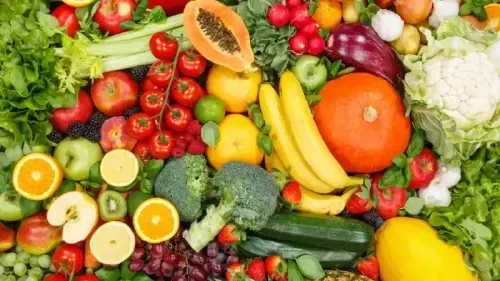
7 Fruits and Vegetables Rich in Vitamin C for Better Immunity
Boost Immunity: How to Use Vitamin C-Rich Foods
Our body functions everyday thanks to our immune system. However, a lack of a certain vitamin can hamper one of the most important aspects of our bodily functions. Vitamin C helps to strengthen our immunity, keeps our skin shining and boosts wound healing.
Let us explore vegetables rich in Vitamin C that you can incorporate into your diet.
1. Indian Gooseberry
Locally known as amla, this small, round and green fruit is a powerhouse of Vitamin C. It has anti-inflammatory properties and antioxidants that boost immunity and enhance skin glow. Indian gooseberry (amla) contains several times more vitamin C than oranges, making it one of the richest natural sources of this nutrient.
Amla can be consumed regularly in moderate amounts as part of a balanced diet to help meet vitamin C needs. You can make amla juice or have it in its dried form.
2. Yellow Bell Peppers
Yellow capsicum or bell peppers are rich in Vitamin C content. They have twice the amount of Vitamin C as green bell peppers, making them a delicious addition to your diet. Moreover, their vitamin content steadily increases with maturity. Adequate vitamin C intake is associated with a lower risk of cataracts, though it does not guarantee prevention.
Yellow bell peppers are versatile, and you can add them to just about any dish. You can sprinkle some in fried rice or use them in a nutritious salad.
3. Green Chillies
Spice lovers are in luck! Green chillies provide an excellent source of Vitamin C. Indian households naturally use green chillies in most dishes. They offer metabolic regulation and pain-relieving properties as well. Raw green chillies are a good source of vitamin C, typically providing around 100 mg per 100 g, depending on the variety.
4. Jackfruit
Commonly referred to as Kathal, this fruit packs a punch of Vitamin C. Unripe jackfruit is popularly used in many Indian dishes. A cup of sliced jackfruit contains up to 25% of the daily vitamin C intake.
Unripe jackfruit is a staple in India. Its versatility allows it to be incorporated into various dishes. You can make delicious jackfruit curry or biryani. You can also have ripe jackfruit as an evening snack.
5. Broccoli
Another Vitamin C-packed vegetable is broccoli. 100 grams of broccoli contain 89.2 mg of Vitamin C. This cruciferous vegetable is similar to cauliflower in texture and can be used as a substitute.
You can boil broccoli and have it with rice. Additionally, you can use them in a hearty bowl of salad.
6. Papaya
Among its many benefits, Vitamin C also helps in memory retention.One cup of papaya can provide most of the daily vitamin C requirement, especially for women. Essentially, one cup of it can have up to 88 mg of Vitamin C.
These are milky in texture, offering easy incorporation. You can make papaya smoothies if you are a smoothie enthusiast. You can also combine it with chaat masala to give it a spicy kick.
7. Potato
While everyone villainises potatoes, they provide a modest amount of vitamin C, typically around 20–30 mg per medium potato, depending on size and preparation. Sweet potatoes, too, have high Vitamin C content. Plus, they have beta-carotene and fibre. Potatoes are a staple in India.
These Vitamin C-rich vegetables and fruits help boost your immune system and fight off diseases. Adopt a balanced diet full of these to see maximum benefits.
Reader Information: This article is intended for general informational purposes only. Nutritional values and health benefits mentioned may vary based on factors such as portion size, preparation method, variety of food, age, sex, and individual health conditions. Vitamin C requirements differ among individuals, and excessive intake may not be suitable for everyone. Always consult a qualified healthcare professional or registered dietitian before making significant changes to your diet, especially if you have underlying medical conditions, are pregnant, or are taking medication.
Also Read:
→ What Disease is Caused by Vitamin B6 Deficiency
→ Treatment for High Vitamin B12
→ What Vitamin Deficiencies Cause Glossitis
Popular Topics
People Also Search For


Health Insurance Coverage for pre-existing medical conditions is subject to underwriting review and may involve additional requirements, loadings, or exclusions. Please disclose your medical history in the proposal form for a personalised assessment.
This FAQ page contains information for general purpose only and has no medical or legal advice. For any personalized advice, do refer company's policy documents or consult a licensed health insurance agent. T & C apply. For further detailed information or inquiries, feel free to reach out via email at marketing.d2c@starhealth.in







