





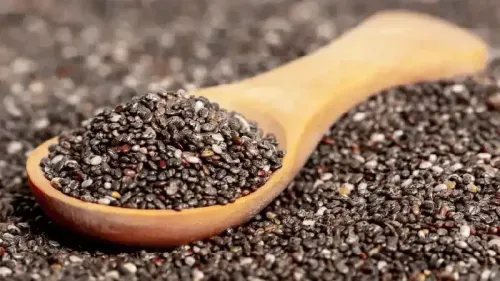
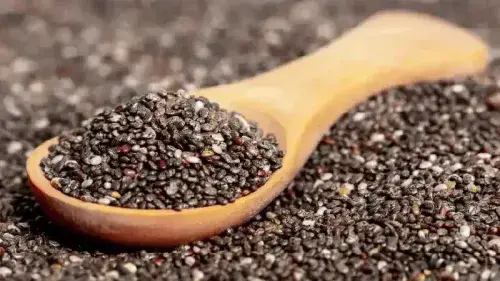
How To Use Chia Seeds For Glowing Skin?
Know to Use Chia Seeds for Glowing Skin
If you struggle with dull and dry skin, chia seeds may be the organic answer you've been waiting for. These little seeds can help improve your skin texture, fight signs of ageing, and make your skin glow from within. Chia seeds are nutrient-dense and may support overall skin health when consumed as part of a balanced diet, but clinical evidence for visible skin benefits from topical application is limited.
However, it is important to learn how to use them properly to get the best glowing results for your skin. Read ahead to learn about the various ways chia seeds can boost skin health and radiance.
How to Use Chia Seeds to Improve Your Skin?
Here’s how you can add chia seeds into your skincare routine in the following ways;
- As a Face Hydrating Mask : Chia seeds develop a slimy gel-like texture if soaked for a few hours or overnight. Mix this extraction with aloe vera gel and rose water, and evenly apply it to your face like a mask, avoiding the eyes and lips.
Leave it on your skin until it feels slightly tacky to the touch, and rinse it out with water. The gel-like texture of soaked chia seeds may temporarily reduce moisture loss, but clinically proven hydration benefits have not been established. - As a Face Brightening Scrub: Lemon juice should not be applied directly to the skin, as it may cause irritation and increase the risk of pigmentation and sun sensitivity. Apply this concoction and massage it into your skin in circular motions. This acts as a gentle scrub, exfoliating your skin and helping reduce dark spots.
- As an Anti-aging Mask: Add a tablespoon of chia seeds to two tablespoons of warm milk and honey. Blend this mixture into a paste, evenly apply it on your neck and face, and leave it on for 15 to 20 minutes. Honey helps retain moisture along with chia seeds, while the milk helps make your skin supple. This mask can help you attain a youthful glow.
- As an Anti-inflammatory Mask: Chia seeds, mixed with cooled green tea and cucumber juice, can heal and nourish your skin’s barrier. Green tea is filled with antioxidants and can be beneficial, especially when combined with chia seeds, to form a mask. This cool and refreshing mask is perfect for sensitive and irritated skin.
What are the Benefits of Chia Seeds in Skincare?
Chia seeds are an underrated product that can help you naturally boost hydration and reduce dullness. Here’s why it is beneficial to include chia seeds in your skincare routine:
- It helps your skin retain water, providing a youthful glow.
- It reduces signs of ageing, such as fine lines and wrinkles, while boosting skin elasticity. It also helps slow down the skin's aging process.
- Chia seed masks help repair the skin barrier and soothe inflamed skin and mild irritation.
- Physical exfoliation using coarse particles may irritate the skin; dermatologists generally recommend gentle chemical exfoliants over DIY scrubs.
Chia seeds are a powerful natural ingredient that can do wonders for your skin if applied or consumed daily. Incorporate chia seeds into your skincare routine, and you will experience a radical difference in your skin's appearance.
→ How to Use Chia Seeds for Weight Gain
→ How to Use Chia Seeds for Weight Loss
→ How to Use Chia Seeds for Hair Growth
→ Is Chia Seeds Good for Diabete
FAQs
Chia seeds can support glowing skin when used regularly as part of a balanced diet and skincare routine. They are rich in omega‑3 fatty acids, which help reduce skin dryness and inflammation, giving the skin a smoother appearance. Their antioxidants fight free radical damage caused by pollution and sun exposure, while fiber supports gut health often linked to clearer skin. You can use chia seeds by soaking 1 tablespoon in water overnight and drinking it in the morning, or adding them to smoothies, yogurt, or oatmeal. For topical care, a chia seed gel (soaked seeds) can be applied as a hydrating face mask. Drink enough water and avoid excess intake to prevent digestive discomfort.
Chia seeds offer multiple benefits for overall skin health due to their strong nutritional profile. They are rich in omega‑3 fatty acids, which help maintain the skin’s natural moisture barrier, reducing dryness and irritation. The antioxidants present in chia seeds protect the skin from damage caused by pollution, UV rays, and other environmental stressors, supporting a youthful appearance. Chia seeds also contain zinc and protein, which play a key role in skin repair and may help manage acne and breakouts. Their high fiber content supports better digestion and detoxification, which is often reflected in clearer skin. When consumed regularly chia seeds can help improve skin texture, hydration, and overall glow naturally.
Yes, chia seeds can help improve skin hydration and elasticity when included regularly in your diet. They are an excellent source of omega‑3 fatty acids, which help strengthen the skin’s natural moisture barrier and reduce water loss, keeping the skin soft and well‑hydrated. Proper hydration supports skin elasticity and reduces the appearance of fine lines. Their ability to absorb water helps improve overall hydration levels in the body, which reflects on the skin over time. Consuming soaked chia seeds daily or adding them to smoothies and meals can support smoother, firmer, and more resilient skin naturally.
Yes, chia seeds can be used directly on the skin in a safe and natural way, mainly for hydration and soothing benefits. When soaked in water, chia seeds form a gel rich in omega‑3 fatty acids and antioxidants, which help lock in moisture and calm dry or irritated skin. You can apply chia seed gel as a light face mask or moisturizer by gently spreading it on clean skin and rinsing after 10–15 minutes. This may help improve skin softness and provide a refreshing effect. However, chia seeds are not a treatment for skin conditions like acne or pigmentation. Always do a patch test before applying it to your face to avoid irritation. For lasting skin benefits, combining topical use with regular dietary intake works best.
Popular Topics
People Also Search For


Health Insurance Coverage for pre-existing medical conditions is subject to underwriting review and may involve additional requirements, loadings, or exclusions. Please disclose your medical history in the proposal form for a personalised assessment.
This FAQ page contains information for general purpose only and has no medical or legal advice. For any personalized advice, do refer company's policy documents or consult a licensed health insurance agent. T & C apply. For further detailed information or inquiries, feel free to reach out via email at marketing.d2c@starhealth.in







