





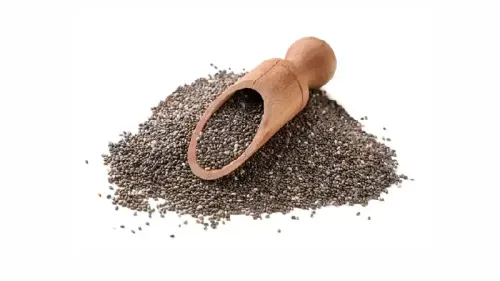
Is Chia Seeds Good for Diabetes?
Chia Seeds and Diabetes
Though tiny in size, chia seeds pack a powerful nutritional punch and offer a wide range of health benefits, one of which is blood sugar control. These seeds are valuable, especially for diabetic individuals, thanks to their impressive fibre content. As part of a high‑fibre diet, may help improve glycaemic control and insulin sensitivity, which are associated with a lower risk of type 2 diabetes, but they do not independently prevent diabetes.
When included as part of a balanced diet, chia seeds can help regulate glucose levels, support heart health, and assist with healthy weight management. Keep reading to explore more closely how chia seeds can benefit those living with diabetes.
Benefits of Chia Seeds for Diabetes
The following highlights some crucial benefits of chia seeds for individuals with diabetes:
Helps Regulate Blood Sugar Levels
Thanks to their high fibre content, chia seeds play a key role in controlling blood sugar. They slow the absorption of glucose into the bloodstream, helping to prevent sudden rises in blood sugar levels.
Their naturally low glycemic index further supports steady glucose release, making them a smart choice for individuals managing diabetes.
Nutrient-Dense Superfood
Chia seeds offer an impressive nutritional profile, including:
- Omega-3 Fatty Acids: These healthy fats combat inflammation and support cardiovascular function, which is particularly important for people with diabetes, who are at increased risk of heart-related issues.
- Complete Protein: Chia seeds provide all nine essential amino acids, supporting stable energy levels and aiding in blood sugar control.
- Antioxidants: Rich in antioxidants, they help neutralize free radicals, which may reduce the likelihood of chronic conditions, including diabetes.
Encourages Better Heart Health
Daily consumption of chia seeds can potentially decrease LDL (bad) cholesterol and triglycerides levels and increase HDL (good) cholesterol levels. The alterations in the lipid profile would reduce the risk of cardiovascular disease, which is a frequent condition in diabetes.
Helps Combat Inflammation
With chronic diseases like cardiovascular conditions and certain cancers, there is a continuous inflammation link. Caffeic acid, which is contained in chia seeds, is a strong antioxidant that has antioxidant and anti‑inflammatory properties that may help reduce inflammatory markers.
The regular consumption of these seeds may help lower levels of inflammation markers, which are often associated with inflammatory illnesses.
Aids in Weight Loss
Chia seeds are a rich source of dietary fibre, and a single ounce will supply about 25-40% of your daily fibre requirements. The soluble fibre will absorb water and swell in the stomach, which encourages a feeling of fullness that lasts longer. This can easily suppress appetite and assist with weight control.
Supports Bone Strength
Chia seeds are also packed with bone-nourishing minerals like magnesium and phosphorus. One ounce of chia seeds provides approximately 14% of the recommended daily intake of calcium, a mineral needed for healthy bones, muscles, and nerves.
Interestingly, chia seeds have more calcium per gram than most dairy foods, making them an excellent plant-based source of bone support.
Promotes Healthy Skin
Emerging research suggests chia seed extract may benefit the skin. It is rich in essential fatty acids (omega‑3 and omega‑6), which contributes to skin hydration and barrier function. Additionally, some findings indicate chia seeds may protect the skin from enzymes linked to premature ageing.
While further studies are needed, these early results highlight chia seeds’ potential to support overall skin health.
What are the Different Ways to Include Chia Seeds in Your Diet?
Adding chia seeds to your meals is both easy and adaptable. Here are some ways to get started:
- Enhance Your Salads: Stir chia seeds into your salad to introduce a mild crunch and extra nutritional value.
- Blend into Smoothies: Toss a tablespoon of chia seeds into your smoothie for a quick boost of fibre and nutrients.
- Top Your Yogurt: Scatter chia seeds over yoghurt and finish with a handful of fresh berries for a healthy and satisfying snack.
- Make Chia Pudding: Soak chia seeds in almond milk or any milk alternative overnight to whip up a creamy and nutritious pudding.
- Incorporate into Baking: Add chia seeds to your homemade bread, muffins, or energy bars to improve their fibre content.
What are the Precautions and Considerations of Chia Seeds?
Chia seeds are safe for most people, including those managing diabetes, but it is important to be aware of a few key points:
- Blood-Thinning Medications: If you are taking blood thinners, speak with your healthcare provider before adding chia seeds to your meals. Their high omega-3 content may influence how your blood clots.
- Possible Allergies: Although uncommon, some individuals may have an allergic reaction to chia seeds. Begin with a small serving to check for any sensitivity or adverse effects.
- Digestive Discomfort: Chia seeds are rich in fibre, which can sometimes lead to bloating or gas if consumed in large amounts. To avoid discomfort, start with a modest portion and gradually increase your intake as your body adjusts.
Chia seeds provide significant support for diabetes management when consumed within a diet that maintains healthy proportions. These nutritious seeds contain dense fibres, vital nutrients, and blood sugar management abilities, which make them an excellent food option for maintaining wellness.
By incorporating chia seeds into your daily meals, you can support heart health, maintain a healthy weight, and keep blood glucose levels stable. In addition, remember to start with small amounts and consult your healthcare provider if you have any specific health concerns.
Reader Information: This article is intended for informational and educational purposes only and should not be considered a substitute for professional medical advice, diagnosis, or treatment. While chia seeds may support overall health and help with blood sugar management when included as part of a balanced diet, they are not a treatment or cure for diabetes. Individuals with diabetes or other medical conditions should consult a qualified healthcare professional or registered dietitian before making significant dietary changes, especially if they are taking medications or managing chronic health conditions.
Also Read:
→ What are the top 10 Health benefits of Chia Seeds
→ How Much Chia Seeds Can Be Consumed in a Day
→ Should You Consume Chia Seeds Hot or Cold for Your Body
→ Is Chia Seeds Better for Weight Loss
Popular Topics
People Also Search For


Health Insurance Coverage for pre-existing medical conditions is subject to underwriting review and may involve additional requirements, loadings, or exclusions. Please disclose your medical history in the proposal form for a personalised assessment.
This FAQ page contains information for general purpose only and has no medical or legal advice. For any personalized advice, do refer company's policy documents or consult a licensed health insurance agent. T & C apply. For further detailed information or inquiries, feel free to reach out via email at marketing.d2c@starhealth.in







