





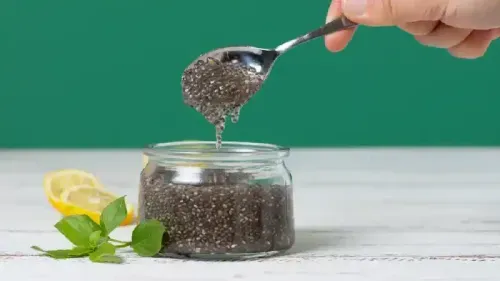
What are the top 10 Health benefits of Chia Seeds?
Chia Seeds Benefits and Side Effects
Chia is a flowering plant that belongs to the member of the mint family and is frequently referred to as Mexican chia or Salba chia. Chia seeds are nothing but the edible seeds which are frequently grown in the plant. The seeds played a significant role in the peoples' meals and had multiple medicinal uses.
Chia is grown commercially in Mexico, Guatemala, Peru, Argentina, Australia and the United States. Chia seeds are commonly acknowledged as a nutrient-dense supplement to balanced diets.
Despite their diminutive size, chia seeds have been hailed for their health advantages. Chia seeds contain antioxidants, minerals, fibre and omega-3 fatty acids that may help to maintain healthy bones, heart health and blood sugar regulation.
What should you know about Chia Seeds?
A human body could take advantage of Chia seeds benefits in many ways. The potential benefits of chia seeds are because of their rich composition, like high levels of fibre, omega-3 fatty acids, antioxidants, and necessary nutrients. The chia seeds benefits for skin, are because of their high amount of omega-3 fatty acids, antioxidants, and other necessary nutrients. The benefits of chia seeds in water are improved digestion, enhanced hydration, weight management support, etc. Also, there are many chia seeds benefits for hair. One can obtain Chia seeds benefits by adding them to food and dishes they eat. To get the chia seeds benefits, a person can easily add them to their diet by sprinkling them on foods such as yoghurt, cereal, salads, smoothies or soups. Analyse the chia seeds benefits and side effects to learn more about them. We shall briefly examine the Chia seeds benefits here.
Nutritional Information
According to United States Department of Agriculture (USDA), a portion of chia seeds weighing one ounce (28.35 grammes) contains the following.
- 138 calories
- 5.6 grams of protein
- 8.4 grams of fat
- 12 grams of carbohydrates
- 11.2 grams of fibre
- 0 grams sugar
Health Benefits of chia seeds
Powerful antioxidants, vitamins and minerals are found in abundance in chia seeds. These vitamins and minerals contribute to numerous essential health advantages.
Promote weight loss
One ounce (28–30 g) of chia seeds provides approximately 9–10 g of dietary fibre, according to USDA data. Weight loss has been correlated with fibre-rich diets. A 2015 study found that consuming 30 grams of fibre per day could help you lose weight.
Daily use of one ounce of chia seeds can support your weight loss goals. Chia seeds include 10 grams of fibre in an ounce.
Maintains cholesterol level
Consuming chia seeds may lower your risk of heart disease due to their high fibre and omega-3 content. Chia seeds and other sources of soluble fibre can help reduce blood levels of bad cholesterol. This can thus lower your risk of developing heart disease.
Improves bone and teeth health
Chia seeds includes minerals like magnesium and phosphorus, both of which are crucial for keeping strong bones. Additionally, one ounce of the seeds has 18% of the daily recommended calcium intake, which is necessary for strong bones, muscles and nerves.
Controls appetite
Chia seeds are high in fibre, with 9.75 grams in a serving of one ounce (oz) of seeds. Additionally, each dish has 4.69 g of protein. Protein and fibre can temporarily reduce appetite by prolonging the feeling of fullness.
Help manage diverticulosis
Consumption of Chia seeds can increase the amount of fibre in your diet daily. Many people who suffer from diverticulosis or diverticulitis consume a diet that is low in fibre.
Chia seeds are a fantastic fibre source and would be perfectly fine for diverticulosis.
Prevents constipation
Insoluble fibre included in chia seeds makes you feel fuller for longer and bulks up your stool to prevent constipation. They also provide protein, antioxidants and good fats for the body.
Regulate blood sugar levels
Chia seeds are high in fibre, magnesium, omega-3 fatty acids and antioxidants. These could lower the chance of developing type 2 diabetes and its complications. The amount of fibre in one ounce (28.35 g) of dry chia seeds is almost 10 g.
Role in cancer
Chia seeds contain antioxidants and alpha‑linolenic acid (ALA), which may help reduce oxidative stress and inflammation. Some laboratory and animal studies suggest that components of chia seeds (such as ALA) may influence cancer-related pathways, but human clinical evidence is insufficient to support claims of slowing cancer growth. There is no conclusive clinical evidence that chia seeds can treat, prevent, or cure cancer. They should not be considered a cancer therapy.
Skin health
Chia seeds are a nutritional powerhouse loaded with protein, antioxidants, healthy fats, minerals and vitamins (E, B1, B2 and B3). They are also a fantastic source of Omega 3 fatty acids, which prevent ageing, lessen acne scarring and ensure that your skin looks radiant.
Enhances sleep quality
Chia seeds contain tryptophan, an amino acid involved in serotonin and melatonin synthesis. However, their direct effect on sleep quality has not been clinically established.
How to consume chia seeds?
Whole
You can consume a tablespoon of chia seeds if you're wondering how to eat them raw but be aware that they tend to stay in your teeth. If you decide to eat them whole, ensure to hydrate your body well throughout the day.
Additionally, you may incorporate whole chia seeds into cereal mixtures, waffles, muffins, yoghurt, porridge, smoothies and shakes.
Soaked
Whether you should soak chia seeds before eating is a question for many people. Chia seeds don't require soaking before consumption. They are safe to consume raw. However, soaking them causes them to "sprout," improves texture and digestibility and reduces choking risk.
Soaked in milk
Many chia seed recipes offer fantastic suggestions for chia seed milk pairings. For instance, you may make a delectable chia seed pudding by combining chia seeds with any milk you like, such as goat milk or coconut milk.
Soaked in water
Chia seeds can absorb approximately 10–12 times their weight in water, which may help with hydration and satiety when consumed appropriately. Chia seeds and water can be combined to create a healthy energy drink.
For baked products and recipes, you can also combine chia seeds with water to make an egg alternative that is suitable for vegans.
Ground
Another choice is to break down the tough outer shells of the chia seeds before consuming them by grinding them in a coffee grinder or blender. Once more, this facilitates your body's absorption of more nutrients, including protein.
Most gluten-free recipes, including those for pancakes, muffins, bread and even pasta, can utilise ground chia seeds as a flour. Omega-3-rich seeds should be ground before storing them in your freezer or refrigerator in a sealed glass container.
Conclusion
Chia seeds should be included on any list of superfoods. They are a good source of healthy fat, fibre and antioxidants. Adding chia seeds to your diet is an easy method to increase its nutritional value.
Chia seeds are safe to eat, but some people may experience an allergic reaction. When taking blood pressure medication, consuming chia seeds should be done with caution. If you are worried, discuss it with your doctor.
Disclaimer: The information provided in this article is for general informational and educational purposes only and should not be considered as medical advice, diagnosis, or treatment. Chia seeds are not intended to prevent, treat, cure, or manage any disease, including cancer, diabetes, or sleep disorders. Individual responses to dietary foods may vary. People with existing medical conditions, food allergies, digestive disorders, or those who are pregnant, breastfeeding, or taking medications should consult a qualified healthcare professional or registered dietitian before making significant dietary changes.
Also Read:
→ How to Use Chia Seeds for Hair Growth
→ How to Use Chia Seeds for Weight Gain
Popular Topics
People Also Search For


Health Insurance Coverage for pre-existing medical conditions is subject to underwriting review and may involve additional requirements, loadings, or exclusions. Please disclose your medical history in the proposal form for a personalised assessment.
This FAQ page contains information for general purpose only and has no medical or legal advice. For any personalized advice, do refer company's policy documents or consult a licensed health insurance agent. T & C apply. For further detailed information or inquiries, feel free to reach out via email at marketing.d2c@starhealth.in







