





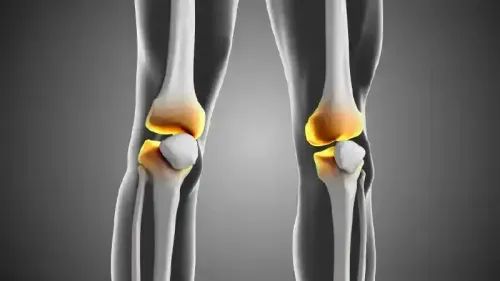
What are the Medical Approaches to Treating a Knee Joint Gap?
Knee Joint Gap Explained: Causes, Treatment & Prevention
Knee joint pain and degeneration are some of the most commonly reported musculoskeletal complaints in India, affecting people across all age groups. musculoskeletal complaints in India, affecting people across all age groups. Joint space narrowing refers to a reduction in the space between the bones of the knee joint seen on X‑ray, commonly associated with cartilage loss in osteoarthritis.
This condition can significantly affect mobility and quality of life. Understanding the available medical approaches is essential to prevent further damage, manage symptoms effectively, and delay or avoid surgical intervention.
Read on!
What Causes a Knee Joint Gap?
A knee joint gap, or narrowing of the joint space, is primarily caused by:
- Osteoarthritis is the most common culprit, where the protective cartilage gradually disappears.
- Rheumatoid arthritis is an autoimmune condition that affects the synovium and joint lining.
- Meniscal injuries or ligament damage may accelerate cartilage degradation.
- Obesity increases mechanical stress on the knee joint.
- Trauma or previous surgeries may result in misalignment or instability.
Epidemiological studies estimate that 30–60 million people in India are affected by osteoarthritis, with knee osteoarthritis being the most prevalent form.
What are the Early Signs of a Knee Joint Gap or Cartilage Loss?
Symptoms may develop gradually and often include:
● Persistent knee pain, especially during or after movement.
● Stiffness after periods of inactivity.
● Swelling or tenderness.
● Grinding or cracking sounds on movement.
● Decreased range of motion.
● Bowing of the legs in advanced stages (varus or valgus deformity).
Early diagnosis through X-ray (to assess joint space narrowing) and MRI (to evaluate cartilage damage and soft tissue) is vital in initiating timely medical treatment. Thus, one should immediately consult a medical practitioner upon noticing these signs.
What are the Non-Surgical Medical Approaches to Treating Knee Joint Space Narrowing?
Medical treatment options aim to slow disease progression, relieve pain, and improve joint function. These include:
1.Pharmacological Therapy
i. Pain Management
- NSAIDs (Non-Steroidal Anti-Inflammatory Drugs): Ibuprofen or Diclofenac to reduce pain and inflammation.
- Topical Analgesics: Gels containing diclofenac or capsaicin are effective with fewer systemic side effects.
- Paracetamol: Often prescribed for mild to moderate pain.
Prolonged NSAID use can lead to gastric or renal complications, so they should be used under medical supervision.
ii. Disease-Modifying Agents
- Glucosamine and Chondroitin Sulphate: Glucosamine and chondroitin may provide symptomatic relief in some individuals, but evidence for cartilage preservation or disease modification is inconsistent.
- Diacerein: Diacerein is a symptomatic slow‑acting drug for osteoarthritis (SYSADOA) that may reduce pain in some patients; evidence for structural modification is limited.
- Duloxetine: Sometimes prescribed for chronic pain management, especially in cases of central sensitization.
2.Intra-articular Injections
i. Hyaluronic Acid Injections (Viscosupplementation)
- A gel-like substance is injected into the joint to lubricate and improve mobility.
- Particularly beneficial in early to moderate OA.
ii. Platelet-Rich Plasma (PRP) Therapy
- An emerging regenerative technique which uses the patient's own platelets to stimulate healing.
- PRP may reduce pain and inflammation and improve function in mild to moderate knee osteoarthritis; evidence for true cartilage regeneration remains limited.
- Requires 2–3 sessions and has shown promising results in Indian clinical trials.
iii. Steroid Injections
- Short-term relief from extreme pain and inflammation comes from corticosteroids.
- Limited use is advised as, over time, the danger of cartilage weakening exists.
3.Physiotherapy and Rehabilitation
Conservative and post-surgical treatment calls both for a structured physical therapy regimen. Techniques include:
● Strengthening of the quadriceps (straight leg lifts, mini squats)
● Exercises involving a range of motion
● Low-impact sports, including swimming or cycling
● Use of knee braces or orthotic support
● Weight loss programs if BMI > 25
4.Orthobiologics and Newer Regenerative Approaches
Cutting-edge treatments are being explored in India and globally to address knee joint degeneration:
- Stem Cell Therapy: Uses mesenchymal stem cells to regenerate cartilage. Though still in trial stages, it is available in select tertiary care centres.
- Tissue Engineering: Research in bioengineered cartilage scaffolds is ongoing.
- Gene Therapy: Experimental but might turn out to be practical in due course.
Although exciting, these procedures are costly and not yet covered under most insurance plans or are not readily available.
Can Diet and Supplements Help Manage Knee Joint Gap?
Maintaining joint health and controlling inflammation depend significantly on the diet. Here’s what one can consider adding:
- Anti-inflammatory foods like Omega-3-rich foods (flaxseeds, walnuts, fish), turmeric (curcumin), and antioxidants (berries, green leafy vegetables).
- Avoid excess sugars and processed foods that promote inflammation.
- Vitamin D and calcium are crucial for bone strength.
- Indian orthopaedic specialists commonly recommend supplements like Glucosamine, Chondroitin, and MSM.
Consulting a clinical dietitian is advisable for personalized nutrition plans.
Are Alternative Therapies Like Ayurveda or Yoga Effective for Knee Joint Gap?
Complementary therapies can offer additional relief. They include:
1.Ayurveda
- Panchakarma therapies (e.g., Abhyanga, Janu Basti)
- Herbal medications like Shallaki (Boswellia), Guggulu, and Ashwagandha
- Consult certified Ayurvedic practitioners and check for interactions with Allopathic medications.
2.Yoga
- Yoga poses focusing on strengthening and stretching lower limb muscles can improve function and reduce stiffness.
- Some recommended poses are Tadasana, Vajrasana, and Makarasana (under supervision).
When is Surgery Recommended for Treating Knee Joint Gap?
If conservative treatment fails and the pain severely impacts daily activities, surgery may be advised. Procedures include the following:
1.High Tibial Osteotomy (HTO)
Realignment surgery for younger patients with one-sided joint space narrowing.
2.Total Knee Replacement (TKR)
Considered in advanced OA when joint space is severely reduced and pain is persistent. Over 1.5 lakh TKRs are performed annually in India, with excellent outcomes when done in reputable centres.
What Role Does Health Insurance Play In Managing Knee Joint Conditions?
Health insurance can play a critical role in managing knee joint conditions. Comprehensive health plans can offer coverage for surgery costs, diagnostics, consultations and more, along with cashless hospitalization benefits.
This ensures that patients can access the top medical practitioners for treatment without worrying about the costs. However, the extent of coverage will vary depending on the insurer and policy type.
Also Read:
→ Primary Treatment Strategies for Knee Osteoarthritis
→ Signs of Disinhibited Attachment Disorder
→ Signs of Reactive Attachment Disorder
Popular Topics
People Also Search For


Health Insurance Coverage for pre-existing medical conditions is subject to underwriting review and may involve additional requirements, loadings, or exclusions. Please disclose your medical history in the proposal form for a personalised assessment.
This FAQ page contains information for general purpose only and has no medical or legal advice. For any personalized advice, do refer company's policy documents or consult a licensed health insurance agent. T & C apply. For further detailed information or inquiries, feel free to reach out via email at marketing.d2c@starhealth.in







