





What are the Primary Treatments for Different Kinds of Head Injuries?
Types of Head Injuries and Their Treatment
Any injury to your head, brain, or skull is considered a head injury. In most cases, head injuries are minor issues and can be treated with first aid. However, if the head injury leads to internal bleeding or damage to the brain, it is a matter of concern.
Head injuries are of various types based on their severity, and some can cause severe complications. So, if you experience head injury symptoms like stiffness in the neck, bleeding from the head, or severe headache, consult a doctor at the earliest.
What are the Treatment Procedures for Head Injuries?
The first and essential part of a head injury treatment is to stop the bleeding and pressure build-up inside the skull. However, the treatment for head injury depends on the type and severity of damage or injury, such as:
- Mild Injury
In cases of mild head injury, good rest and medication can often be sufficient. You can manage the symptoms of mild head injuries at home by staying away from any kind of intense physical activity.
Your doctor may prescribe pain relievers, such as over the counter (OTC) acetaminophen, based on your specific needs. In the early period after a head injury, doctors may advise avoiding NSAIDs in some cases due to a potential increased risk of bleeding, especially if intracranial bleeding is suspected.
- Severe Head Injury
In case of head injuries like open head injury or traumatic brain injury, individuals mostly get surgery. It helps manage the pressure of bleeding inside the skull and fix the damage. The type of surgery depends on the condition of your injury.
- Fracture
For a skull fracture or any other specific head injury, your healthcare provider will provide a customised treatment plan based on your injury. It may involve surgery and medication, depending on the severity of the fracture.
After a head injury, physical rehabilitation may be necessary. You will receive neck muscle strengthening exercises from a physical therapist. This is particularly crucial if you suffer from whiplash, which is a strain on the neck muscles.
What are the Different Types of Head Injuries?
Head injuries are of the following types:
1. TBI or Traumatic Brain Injury
Brain damage caused by accidents is called traumatic brain injury or TBI. If anything hits your head hard or penetrates through your skull into the brain, it is a TBI. In this condition, the brain gets damaged due to blood clotting and bruising.
Violently shaking the head can cause TBI due to the twisting and bouncing of the brain inside your skull. Some other causes of TBI include a gunshot wound, falling onto the head from a great height, an object hitting your head at a high speed, etc.
2. ICH or Intracranial Hematoma
Clotting blood inside the brain is called an intracranial hematoma. The severity of ICH depends on the location and size of the clot within your brain.
3. Open Head Injury
The skull protects the brain from any kind of injury as it is made of thick bone. However, any forceful impact can cause cracks or fractures in the skull. If another object or any bone punctures the skull and fractures the brain, it is called a penetrating head injury or open head injury.
4. Concussion
It is a type of TBI in which your brain stops functioning for a temporary period. Though the symptoms are not always long-lasting or severe, they may lead to serious complications.
What are the Diagnostic Procedures for Head Injuries?
Head injuries can be diagnosed through several diagnostic procedures, including the following:
- CT Scan
A CT scan, or computed tomography scan, is an imaging test that produces axial and horizontal images of the brain. It utilises computer technology and a combination of X-rays to create a detailed picture of the brain, including all its components.
- X-ray
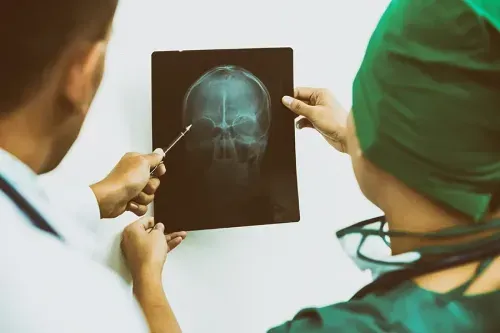
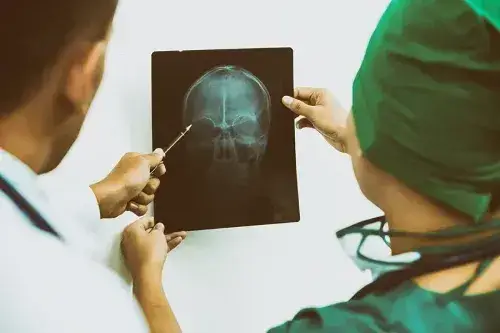
It is a diagnostic procedure that produces images of bones, organs, and internal tissues on film. Invisible electromagnetic energy is used to create the image of the brain in an X-ray.
- MRI or Magnetic Resonance Imaging
This is a computerised diagnostic procedure in which a combination of radio frequencies and large magnets is used. MRI helps provide a detailed image of the structure and organs inside the body, including the brain.
- EEG or Electroencephalogram
Your brain’s electrical activity is continuously recorded in this process. The doctor will attach electrodes to your scalp to record the activities.
Considering the severity of head injuries and the treatment plan adopted, the cost of treatment can be expensive. Therefore, obtaining a health insurance policy that covers critical illnesses is necessary to cover the associated expenses.
Reader information: This content is intended for general informational and educational purposes only and does not constitute medical advice, diagnosis, or treatment. Head injuries can vary widely in severity, and symptoms, causes, and treatment options may differ from person to person. Always seek the advice of a qualified healthcare professional for any questions regarding a medical condition or injury. Do not delay or disregard professional medical care based on the information provided here. In case of a medical emergency, seek immediate medical attention.
Also Read:
→ Recommended Steps to Reduce Swelling on the Head
→ What is the Approximate Cost of a Head CT Scan
→ Common Medical Treatments for Head Injury Blood Clots
→ How to Care for a Minor Head Bump
Popular Topics
People Also Search For


Health Insurance Coverage for pre-existing medical conditions is subject to underwriting review and may involve additional requirements, loadings, or exclusions. Please disclose your medical history in the proposal form for a personalised assessment.
This FAQ page contains information for general purpose only and has no medical or legal advice. For any personalized advice, do refer company's policy documents or consult a licensed health insurance agent. T & C apply. For further detailed information or inquiries, feel free to reach out via email at marketing.d2c@starhealth.in







