





What is a Secondary Bacterial Infection?
Protecting Against Secondary Bacterial Infections Post-Virus
We often hear about viral illnesses like the flu, COVID-19, or chickenpox. These are primary illnesses-infections that occur first and are usually the main reason someone feels sick. However, what happens after or along with these infections often goes unnoticed.
Viral infections may impair local immune defences or damage tissues (such as respiratory mucosa), which can increase susceptibility to secondary bacterial infections. Systemic immune suppression occurs only in certain infections or vulnerable populations. By becoming aware of secondary bacterial infections, how they develop, and why they matter, we can be better prepared to protect ourselves and others, especially vulnerable populations like children, the elderly, and those with chronic illnesses.
Continue reading to learn about secondary bacterial infection.
Secondary Bacterial Infection: An Overview
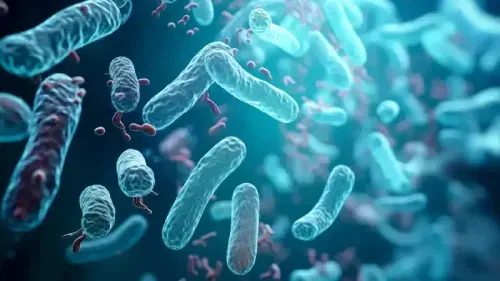
A secondary bacterial infection occurs during or after a primary illness, most commonly a viral infection, due to changes in host defences or tissue damage caused by the primary disease. Unlike primary infections, which arise independently, secondary infections take advantage of the weakened immune system or damaged tissues caused by the primary illness.
If not promptly diagnosed and treated, these infections can complicate the course of the original disease, prolong recovery, and sometimes lead to serious health issues.
To fully grasp what a secondary bacterial infection is, it's essential to differentiate between primary and secondary infections:
Primary Infection
A primary infection is the initial illness caused by a pathogen such as a virus, bacteria, fungus, or parasite.
Secondary Infection
A secondary infection arises due to the primary one, most commonly due to bacteria taking advantage of the host's weakened defences.
Viruses do not respond to antibiotics but can weaken the immune system or damage mucosal surfaces (such as the lungs or nasal passages), making it easier for bacteria to invade. When this happens, the body's ability to fight off bacteria is compromised, resulting in bacterial growth and further illness.
Common Examples of Secondary Bacterial Infections
Several secondary bacterial infections are commonly associated with primary viral illnesses. Some notable examples include
- Bacterial Pneumonia: This often follows a respiratory virus like influenza or SARS-CoV-2 (COVID-19). The virus damages the lining of the lungs, creating a favourable environment for bacteria such as Streptococcus pneumoniae or Haemophilus influenzae to infect and cause pneumonia.
- Sinusitis: A common cold caused by a virus can lead to inflammation and blockage in the sinuses. This blockage can serve as a breeding ground for bacteria, resulting in bacterial sinusitis.
- Otitis Media (Middle Ear Infection): Viral upper respiratory infections in children often lead to secondary bacterial infections of the middle ear, commonly caused by Streptococcus pneumoniae or Moraxella catarrhalis.
- Skin Infections: Conditions like chickenpox can damage the skin's protective barrier, leading to secondary bacterial infections such as cellulitis or impetigo.
- Urinary Tract Infections (UTIs): In some cases, illnesses that affect mobility or cognitive function, like viral infections in elderly patients, can increase the risk of UTIs due to reduced hygiene or catheter use.
Symptoms of Secondary Bacterial Infections
Symptoms of a secondary bacterial infection vary depending on the part of the body affected but may include:
- Recurrence of fever after initial improvement
- Thick, yellow, or green mucus discharge
- Persistent cough with sputum production
- Pain in the ears, chest, or sinuses
- Difficulty breathing or shortness of breath
- Fatigue and generalised weakness
It is important to remember that while viral infections often resolve independently, the sudden return or worsening of symptoms may be a warning sign of a secondary bacterial infection.
Diagnosis and Treatment Methods of Secondary Bacterial Infections
Diagnosing a secondary bacterial infection usually requires a combination of physical examination, patient history assessment, and laboratory tests. These tests can include:
- Blood tests to check for an elevated white blood cell count
- Imaging tests such as X-rays or CT scans
- Cultures or swabs of affected sites (e.g., sputum, throat, or wound swabs)
After diagnosis, treatment typically involves antibiotics targeting the specific bacteria involved. However, it is crucial to distinguish between bacterial and viral infections to avoid unnecessary antibiotic exposure, which can lead to antibiotic resistance.
For more severe cases, hospitalisation and supportive care (such as oxygen therapy or intravenous hydration) may be required.
Risk Factors for Secondary Bacterial Infections
Specific populations are more susceptible to secondary bacterial infections, including:
- Children and the elderly, due to weaker or compromised immune systems
- Individuals with chronic conditions, such as diabetes, asthma, or COPD
- Patients undergoing immunosuppressive therapy, such as chemotherapy
- Hospitalised patients, especially those with catheters or ventilators, are at increased risk of hospital-acquired (nosocomial) bacterial infections.
Importantly, even individuals already on antibiotics can develop a new bacterial infection. This can happen under the following circumstances:
- If the antibiotic does not effectively target the new bacteria
- In case resistance develops
- If the medication disrupts the body’s natural bacterial balance.
Antibiotics may disrupt normal flora, increasing susceptibility to resistant bacteria or opportunistic pathogens like C. difficile. This makes careful diagnosis and antibiotic stewardship critical in preventing further complications.
Tips to Prevent Secondary Bacterial Infections
While it is not possible to prevent all secondary infections, several measures can reduce the risk:
- Vaccination: Influenza, pneumococcal, and COVID-19 vaccines help reduce the chance of contracting primary viral infections and the secondary bacterial infections that may follow.
- Hand Hygiene: Proper and frequent handwashing can help prevent the transmission of many infectious agents.
- Avoiding Antibiotic Misuse: Taking antibiotics only when prescribed and for the correct duration prevents resistance and preserves their effectiveness.
- Strengthening the Immune System: Proper nutrition, regular exercise, sufficient sleep, and stress management all play roles in maintaining a strong immune defence.
Secondary bacterial infections can worsen mild viral illnesses if not treated promptly. Thus, early recognition and preventive steps like vaccination and hygiene are essential.
Also Read:
→ What Does Myocarditis Feel Like
→ What are Diverticulosis and Diverticulitis
Popular Topics
People Also Search For


Health Insurance Coverage for pre-existing medical conditions is subject to underwriting review and may involve additional requirements, loadings, or exclusions. Please disclose your medical history in the proposal form for a personalised assessment.
This FAQ page contains information for general purpose only and has no medical or legal advice. For any personalized advice, do refer company's policy documents or consult a licensed health insurance agent. T & C apply. For further detailed information or inquiries, feel free to reach out via email at marketing.d2c@starhealth.in







