





How Do You Avoid Sepsis?
What You Need to Know About Sepsis
Sepsis is a serious and potentially fatal condition that occurs when the body mounts an extreme reaction to an infection. If not addressed quickly, it can result in tissue damage, organ dysfunction, and even death. Recognising the early warning signs, taking preventive measures, and supporting recovery with good nutrition are all vital for improving outcomes.
In this article, we’ll discuss what causes sepsis, its progression, and how dietary choices can aid recovery. Keep reading to learn more.
What are the causes of sepsis?
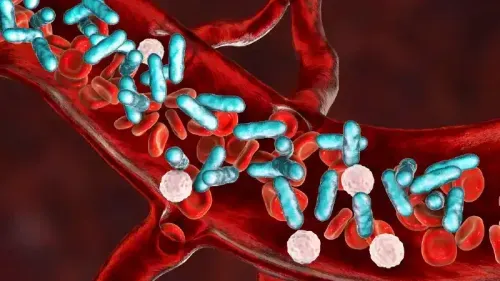
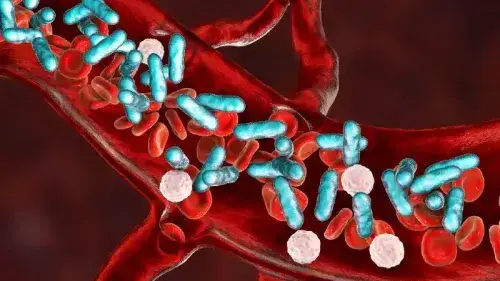
Although bacterial infections are the leading cause of sepsis, infections caused by viruses, fungi, or parasites can also trigger it. Sepsis develops when an infection spreads throughout the body, interfering with the normal function of vital organs.
Infections that may result in sepsis can originate in various parts of the body. Common sources include:
- Respiratory System: Conditions such as pneumonia.
- Urinary Tract: Especially in individuals using catheters, which increases the risk of infection.
- Gastrointestinal System: Issues like appendicitis, intestinal infections, peritonitis (infection of the abdominal lining), or infections in organs like the liver or gallbladder.
- Central Nervous System (brain and spinal cord):Infections affecting these critical areas.
- Skin: Bacteria can enter through cuts, wounds, surgical openings, or medical devices like IVs or catheters. Skin infections such as cellulitis can also lead to sepsis.
What are the stages of sepsis?
Sepsis is best understood as a clinical spectrum rather than a series of stages. It begins with infection and progresses to sepsis when acute organ dysfunction develops. Septic shock represents a severe subset of sepsis characterized by circulatory and metabolic failure. Progression is variable and assessed using organ dysfunction and response to treatment, not fixed stages.
How can sepsis be prevented?
The best way to protect yourself from sepsis is to prevent it before it starts. Here are some simple steps you can take:
- Wash your hands often to stay clean and avoid spreading germs.
- Clean and cover any cuts or wounds until they are fully healed.
- Stay up to date with your vaccines to protect against infections.
- Take care of long-term health problems by seeing your doctor regularly.
- See a doctor right away if you think you have an infection.
What Foods Help Prevent Sepsis?
While no food can cure or fully prevent sepsis, eating healthy can help your immune system stay strong and fight infections. Here are some foods that may help lower your risk:
1. Vitamin C
Foods rich in vitamin C help your body make more white blood cells, which fight infection. Good sources include:
- Oranges, lemons, and other citrus fruits
- Strawberries, kiwi
- Red peppers, broccoli
- Kale and other leafy greens
2. Beta-Carotene
Beta-carotene turns into vitamin A, which helps your immune system respond to viruses. You can find it in:
- Carrots, sweet potatoes, squash
- Spinach, kale
- Cantaloupe, apricots
3. Vitamin E
Vitamin E helps your immune system work properly. It’s found in:
- Almonds, sunflower seeds
- Avocados
- Spinach and leafy greens
4. Antioxidants
Green tea is full of antioxidants that help your body fight germs and reduce inflammation.
5. Vitamin D
Vitamin D helps control how your immune system responds to infections.
- Salmon, tuna
- Egg yolks
- Mushrooms
- Your body can also make it from sunlight (about 15 minutes, a few times a week).
6. Probiotics
Probiotics are live, healthy bacteria that help your gut and immune system. They are found in:
- Yoghurt, kombucha
- Sauerkraut, kimchi, pickles
- Tempeh (fermented soy)
- Some types of cheese
7. Garlic
Garlic contains bioactive compounds studied for immune effects, but clinical evidence for infection or sepsis prevention is limited.
8. Vitamin B6
Vitamin B6 helps your body make red blood cells and supports the lymphatic system, which is part of your immune system. Foods with B6 include:
- Chicken, turkey
- Salmon, tuna
- Chickpeas (like in hummus)
- Bananas, fortified cereals
9. Water
Water helps carry immune cells through your body. Staying hydrated is key.
10. Zinc
Zinc is important for immune cells to work properly, but your body doesn’t store it. Good sources include:
- Shellfish (like oysters, crab, and clams)
- Chicken, turkey, and red meat
- Beans and fortified cereals
Sepsis is a serious condition, but it can be prevented with proper care and awareness. Good hygiene, timely infection treatment, a healthy diet, and vaccinations all play a role in preventing it.
Reader Information: This article is intended for general informational and educational purposes only. Sepsis is a medical emergency, and symptoms, progression, and treatment can vary widely between individuals. If you suspect an infection or signs of sepsis, seek immediate medical attention or consult a qualified healthcare professional.
Also Read:
→ What Does Myocarditis Feel Like
→ What are Diverticulosis and Diverticulitis
→ What is a Serious Stomach Disease
Popular Topics
People Also Search For


Health Insurance Coverage for pre-existing medical conditions is subject to underwriting review and may involve additional requirements, loadings, or exclusions. Please disclose your medical history in the proposal form for a personalised assessment.
This FAQ page contains information for general purpose only and has no medical or legal advice. For any personalized advice, do refer company's policy documents or consult a licensed health insurance agent. T & C apply. For further detailed information or inquiries, feel free to reach out via email at marketing.d2c@starhealth.in







