





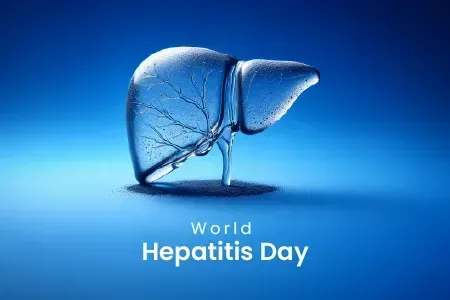
World Hepatitis Day 2026
World Hepatitis Day 2026: Everything You Need to Know
Imagine waking up feeling more tired than usual. You might brush it off as a busy week. But persistent fatigue sometimes points deeper.
World Hepatitis Day 2026 reminds us to look at our internal well-being. It brings attention to a condition affecting lakhs of families.
Because early physical signs can be so subtle, we often don't give them the attention they deserve. However, paying attention to these early signs saves families from financial and emotional stress. By improving our hepatitis awareness, we take the first step towards better health.
The 2026 Theme: Elimination for Everyone, Everywhere, Right Now!
This year's global message is clear. The goal is to ensure this condition no longer impacts families worldwide. What does "elimination" mean for a regular person?
The campaign highlights that everyone deserves access to medical resources. "Right now," is a call to unite neighbourhoods and families to share knowledge and spread awareness about liver health.
We can start doing this quite simply by talking about liver health at the dinner table, normalising testing, and checking if loved ones are vaccinated.
By embracing this proactive mindset, we create a much safer environment for our children.
The Silent Guest: Understanding Viral Hepatitis
In plain language, hepatitis means inflammation of the liver. Think of your liver as the body's primary filter. It processes nutrients, filters toxins, and fights infections.
When inflamed, it swells and cannot do its job. Viral hepatitis happens when a specific virus causes this swelling. Often, the liver suffers in silence for a long time.
This quiet nature makes liver disease prevention a topic we need to discuss openly, rather than waiting for warning signs.
The Five Faces of the Disease
Doctors categorise the condition into five main types. Here is a clear breakdown:
- Type A:Usually spreads through contaminated food or water. It is frequently seen during heavy monsoons. Most individuals recover fully with adequate rest.
- Type B:Transmitted through bodily fluids. It can become a chronic condition, making early detection highly beneficial for long-term well-being.
- Type C:Similar to type B, this virus spreads through direct blood contact.
- Type D:This unique virus only affects people who already carry the type B virus.
- Type E:Travels through unclean water sources. It is often seen when drinking water mixes with floodwaters.
Uncovering Hepatitis Transmission: How Does It Spread?
Understanding how the virus moves helps us stay safe. The main transmission routes include:
- Consuming food from unhygienic vendors or drinking contaminated water, common for types A and E.
- Sharing personal hygiene items like shaving razors that have tiny traces of blood.
- Receiving unsafe blood transfusions or undergoing medical procedures without sterilised equipment.
- Passing the virus directly from a mother to her newborn baby during childbirth.
- Engaging in unprotected sex without using proper barrier methods.
Spotting the Signs: Common Hepatitis Symptoms
Because the liver works quietly, early signs can be easy to miss. Look out for these specific hepatitis symptoms:
- A persistent, unexplained fever lingering for several days.
- Feeling deeply tired, even after restful sleep.
- Losing your appetite or feeling nauseous after regular meals.
- Noticing a distinct yellowish tint in your eyes or skin.
- Experiencing dark-coloured urine or unusually pale-coloured stool.
- Feeling a continuous dull ache in the upper right side of your stomach.
Taking Charge: Hepatitis Prevention and Defence
Simple, everyday habits form a strong line of defence for our families. Building these habits takes very little time, but the long-term payoff for your well-being is enormous.
The Power of Hepatitis Screening and Hepatitis Testing
Hepatitis testing is a simple, quick blood test you can request at your local clinic.
Routine hepatitis screening helps identify the presence of the virus long before it causes any lasting damage.
Knowing your status helps you make calm, informed choices about your future health.
Vaccinations and Safe Daily Practices
Science provides highly effective vaccines specifically for types A and B. Getting vaccinated is a smart, proactive move, but medical prevention is just the first step.
Protecting yourself completely also involves being mindful of your environment. For instance, always ensure that any medical treatments or dental work use entirely new, sterilized equipment.
On a personal level, simple practices like washing hands thoroughly with soap and drinking filtered water are highly effective ways to stay safe.
Exploring Hepatitis Treatment Options
If someone receives a positive diagnosis, there is no need to panic. Modern medicine has changed significantly. For milder types, the body naturally clears the virus with plenty of rest and proper hydration.
For chronic forms, modern hepatitis treatment involves taking antiviral medications that manage the virus effectively.
These medications help slow down or stop further damage to your liver cells. Consulting a specialist doctor gives you a clear roadmap back to health.
Recovering from chronic conditions is a journey that often requires sustained medical attention. Reviewing and understanding your health insurance coverage in advance helps you plan for these long-term treatment expenses, ensuring your care continues uninterrupted.
A Roadmap to Better Health: Key Takeaways
A healthy liver is the foundation of a healthy, active life. As we mark World Hepatitis Day, let us turn our shared knowledge into daily action.
Protecting yourself and your loved ones does not require grand gestures. It is built on small, smart choices. Here are the main points to remember:
- Stay informed about viral hepatitis and how it spreads through food, water, or blood.
- Look out for persistent fatigue or jaundice as potential hepatitis symptoms.
- Prioritise liver disease prevention through safe hygiene habits and timely vaccinations.
- Opt for routine hepatitis screening to catch any issues early.
- Remember that modern hepatitis treatment offers highly effective ways to manage the condition.
FAQs
It is observed globally on the 28th of July every single year to focus on education and patient support.
It is an inflammation of the liver, usually caused by a viral infection. This swelling prevents the liver from filtering toxins effectively.
There are five main types: A, B, C, D, and E. Types A and E are linked to contaminated food, while B, C, and D spread through bodily fluids.
Many do not show early signs. When symptoms appear, they include deep fatigue, mild fever, loss of appetite, nausea, and jaundice.
It can spread through consuming unclean water, sharing personal items like razors, unsafe medical procedures, or from a mother to her baby.
Related Health Info Links
Health Insurance Coverage for pre-existing medical conditions is subject to underwriting review and may involve additional requirements, loadings, or exclusions. Please disclose your medical history in the proposal form for a personalised assessment.
Information on this Health Information page is for educational purposes and not medical advice. Consult a healthcare professional for any health issues and rely on their guidance for diagnosis and treatment. T & C apply. For further detailed information or inquiries, feel free to reach out via email at marketing.d2c@starhealth.in







