





How to Reduce Fatty Liver?
Tips and Tricks to Reduce Fatty Liver Disease
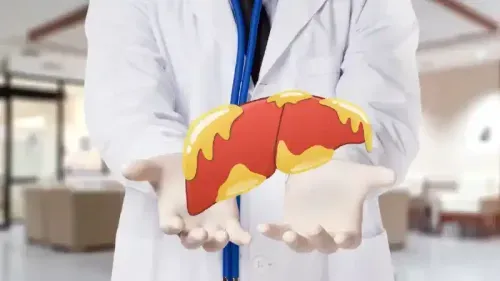
How to reduce fatty liver disease is a common concern in the healthcare landscape, especially with poor dietary habits and rising sedentary lifestyles. Hepatic steatosis or fatty liver occurs when excess fat accumulates in the liver. While alcohol can also be a cause (alcoholic fatty liver), most cases are due to non-alcoholic fatty liver disease (NAFLD), which is linked to obesity, high cholesterol, and diabetes.
Understanding how to reduce fatty liver early can prevent long-term liver complications and significantly improve metabolic health.
Fatty liver can often be reduced or managed through lifestyle changes. This guide explores essential tips, from diet and exercise to key habits, that can help you naturally reverse fatty liver disease and improve your overall liver health.
10 Natural Remedies for Fatty Liver Disease
Incorporating natural remedies for fatty liver disease, along with simple home remedies and healthy habits, can support liver function, reduce fat buildup, and enhance overall well-being without relying solely on medications.
For individuals looking to reduce fatty liver naturally, consistency in daily habits plays a far greater role than short-term interventions.
Here are 10 natural home remedies for fatty liver disease that help to reduce fat accumulation:
- Regular Exercise: Regular exercise burns excess fat stored in the liver. It also enhances the body's responsiveness to insulin and improves metabolic health.
- Balanced Diet: A diet rich in nutrients, including vegetables, whole grains, and lean proteins, helps support the liver. Refined carbohydrates and fried foods should be avoided.
- Limit Sugar Intake: Excessive sugar consumption, particularly fructose, leads to fat accumulation in the liver. Cut down on sugary foods and drinks to avoid liver damage.
- Gradual Weight Loss: A reduction of 5–10% in body weight can significantly benefit the liver. Steady and slow weight reduction is safer and more long-lasting.
- Drink Green Tea: Green tea contains high levels of catechins, which have antioxidant and anti-inflammatory properties. A daily intake can help prevent the accumulation of liver fat.
- Add Omega-3 Fatty Acids: Fish, chia seeds, and flaxseeds' Omega-3s reduce inflammation in the liver. They also maintain healthy cholesterol and triglyceride levels.
- Avoid Alcohol Completely: Alcohol is harmful to liver cells and aggravates fatty liver. Quitting alcohol can easily alleviate the liver burden and facilitate healing.
- Use Turmeric: Turmeric contains curcumin, a potent anti-inflammatory and liver-protective agent. Adding turmeric to your diet can help manage fatty liver disease.
- Stay Well-Hydrated: Increasing water intake helps purge toxins from the body. Proper hydration enables liver detoxification and fat metabolism.
- Manage Stress: Chronic stress can lead to hormonal imbalances that affect liver health. Stress can be reduced through mindfulness, yoga, or relaxation methods, thereby protecting the liver.
How to Reduce Fatty Liver Grade 1?
Reducing Grade 1 fatty liver involves sustained yet straightforward lifestyle changes. Start by eating a healthy, balanced diet rich in whole grains, vegetables, lean proteins, and healthy fats while avoiding junk food, refined carbohydrates, and sugar.
When the condition is detected early, focused efforts to reduce fatty liver grade 1 can deliver visible improvements within months.
Regular physical activity, such as brisk walking or yoga, helps burn excess fat in the liver. Maintain a healthy weight, stay hydrated, and avoid consuming alcohol. Including liver-healthy foods such as turmeric, green tea, and omega-3-rich sources can aid recovery. Getting enough sleep and managing stress supports liver health. With these changes, Grade 1 fatty liver is often reversible with time and commitment.
How to Reduce Fatty Liver Grade 2?
To reduce Grade 2 fatty liver, adopt a strict, liver-friendly lifestyle. Prioritize a high-fibre, low-fat diet that includes leafy greens, whole grains, lean proteins, and fruits while avoiding fried foods, sugary items, and processed meals. Engaging in daily physical activity, such as walking, cycling, or swimming, can help reduce liver fat and improve insulin sensitivity.
Altogether, avoid alcohol, which aggravates liver inflammation. Treat concomitant conditions such as diabetes and high cholesterol using medication and regular follow-up. Add supplements such as green tea, flaxseeds, and turmeric. Gradual weight reduction of 7–10% can reverse liver damage to a great extent and delay progression to Grade 3.
How to Reduce Fatty Liver Grade 3?
Grade 3 fatty liver can be reduced with medical monitoring as well as severe life changes. Adhere to a strict, low-fat, and low-carbohydrate diet of fresh vegetables, fruits, lean proteins, and foods that are rich in omega-3. Stop all alcohol intake and processed, sugary, and high-calorie foods. Regular exercise for 30–60 minutes daily can help reduce fat and boost metabolism. A weight reduction of 10% or more can help reverse certain types of liver damage.
While many people aim to reduce fatty liver quickly, advanced stages demand patience, medical supervision, and sustained lifestyle correction rather than rapid weight loss.
Treat conditions such as diabetes and high cholesterol via prescribed medication. Liver function will be monitored regularly, and in the event of severe conditions, a physician may prescribe medication or additional diagnostic tests.
How to Reduce Alcoholic Fatty Liver?
The key step to reducing alcoholic fatty liver is to stop consuming alcohol altogether and for good. Refraining from alcohol provides an opportunity for the liver to heal and work more efficiently.
Adopt a liver-supportive diet consisting of vegetables, fruits, whole grains, and healthy fats and reduce the intake of processed foods, sugar, and saturated fats. Use antioxidants such as turmeric, green tea, and vitamin E under a physician's supervision. Practice moderate exercise daily to stimulate liver fat metabolism. Maintain proper hydration and sleep. Regular check-ups of the liver and guidance on alcohol dependence are key to long-term recovery and avoiding liver cirrhosis.
How to Reduce Fatty Liver in Ayurveda?
Ayurveda treats fatty liver (Medoroga) by balancing doshas in the body and cleansing the liver. Herbs such as Kalmegh (Andrographis), Bhumyamalaki, Punarnava, and Guduchi are often recommended to support liver function and reduce fat accumulation. A satvik diet is recommended—light, fresh, and non-greasy food, accompanied by hot water and herbal teas. Panchakarma treatments such as virechana (detoxification) can be indicated for thorough cleansing.
Performing yoga poses such as Bhujangasana and Dhanurasana can help to stimulate liver activity. Abstain from alcohol, fried foods, and excess salt. Ayurvedic treatments should be undertaken under expert supervision, and combining them with modern lifestyle modifications can accelerate the healing process. Ayurvedic treatments may support wellness but lack robust evidence for reversing fatty liver. Consult a healthcare provider before use.
Hence, reducing fatty liver can be reversed with consistent care and discipline, whether due to lifestyle, alcohol, or metabolic issues. Quick intervention through exercise, diet, and natural remedies is crucial for restoring liver health and preventing long-term damage.
Conclusion
Fatty liver can be managed with dedication and perseverance. The simple answer to how to reduce fatty liver is to implement certain dietary and lifestyle changes. A balanced diet rich in protein, fibre, and minerals along with consistent physical activity will help you manage and even reverse fatty liver. Consult a healthcare professional for customised recommendations.
Fatty liver, unfortunately, does not have any cure. The only available cure is liver transplant, and it is done after liver failure. Take charge of your liver health today!
HELP CENTRE
Confused? We’ve got the answers
We’re Star Health. We offer the coverage that’s designed to help keep you healthy. It's the care that comes to you, and stays with you.
To reduce fatty liver quickly, follow a high-fibre, low-carb diet, avoid alcohol and sugary foods, and exercise regularly. Losing 5-10% of the body weight can contribute to improving liver fat levels.
Yes, fatty liver is reversible in the early stages, i.e., in grades 1 and 2, with subsequent lifestyle changes such as exercise, a healthy diet, and avoiding liver toxins, however it is not guaranteed to be "100% reversible" for all individuals. Progression depends on adherence to interventions and individual factors (e.g., genetics, comorbidities).
Lemon water may aid hydration and provide antioxidants, but it does not directly reduce liver fat.. It can be incorporated into a healthy overall lifestyle.
Drinking hot water may aid hydration and digestion, but there is no substantial evidence that it can directly reduce fatty liver. It only supports general metabolic health.
Jogging, brisk walking, strength training, or cycling for 150 minutes a week is highly effective in reducing liver accumulation and improving insulin sensitivity.
Eggs are rich in choline and protein, which helps to prevent liver fat buildup. However, it is necessary to limit the intake of yolks if you have high cholesterol or other risks.
Yes, low-fat and unsweetened varieties of curd or yoghurt are beneficial due to their probiotics, which support gut health and reduce liver inflammation.
White rice is high in refined carbohydrates and can worsen fatty liver disease if consumed in excess. Choose brown rice or millet in moderation for better liver support.
Ghee in small amounts may not harm and contains healthy fats, but overconsumption of any saturated fat can worsen fatty liver.
Yes, lean chicken is a good source of protein and supports liver repair. Avoid deep-fried or processed versions; opt for grilled or boiled chicken.
Related Health Info Articles
ABHA Card Related Topics
Health Insurance Coverage for pre-existing medical conditions is subject to underwriting review and may involve additional requirements, loadings, or exclusions. Please disclose your medical history in the proposal form for a personalised assessment.
Information on this Health Information page is for educational purposes and not medical advice. Consult a healthcare professional for any health issues and rely on their guidance for diagnosis and treatment. T & C apply. For further detailed information or inquiries, feel free to reach out via email at marketing.d2c@starhealth.in







