





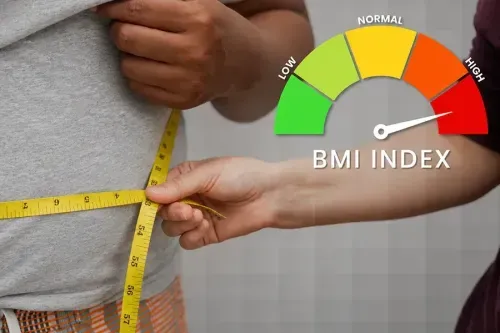
Can a High BMI Indicate Hidden Health Risks?
High BMI & Its Impact on Health
Yes, a high BMI can indicate hidden health risks. It is more than just a number; it may point to underlying issues within the body, such as high blood pressure, diabetes, or heart disease, even if the person appears healthy or feels fine on the outside.
What Is BMI?
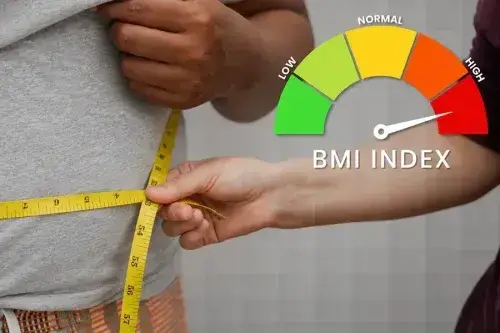
BMI stands for Body Mass Index. It is a number you get by dividing weight (in kilograms) by height (in square meters). It is best used as an initial screening measure and should be interpreted alongside other assessments such as waist circumference, metabolic markers, and clinical history. However, BMI does not look at muscle, fat, or bone. It only checks height and weight. This means it may not always show the full picture.
Why Can a High BMI Be a Warning Sign?
A high BMI can come with many hidden health dangers. Some common ones are as follows:
1.Heart Problems
Extra body fat, especially near the stomach, can put stress on the heart. It may cause high blood pressure and poor cholesterol levels. These raise the risk of heart attacks and strokes.
2.Type 2 Diabetes
When BMI goes up, the body may stop using insulin well. This may lead to high sugar levels in the blood. Type 2 diabetes can start slowly and show no signs at first.
3.Cancer Risk
People with high BMI have a higher chance of getting some cancers. These include breast, colon, and kidney cancers. Fat cells may cause changes in hormones and lead to inflammation, which affects health.
4.Sleep Apnoea
Extra weight can block airways during sleep. This causes loud snoring and broken sleep. People with this condition may feel tired during the day and have heart risks.
5.Fatty Liver Disease
This happens when fat builds up in the liver. It may not show signs early but can lead to liver damage later. It is common in people with high BMI.
6.Joint Problems
More weight means more pressure on the knees and hips. This may lead to osteoarthritis. It can make daily movement hard and painful.
7.Metabolic Syndrome
This is a group of problems like high blood sugar, a big waist size, and poor cholesterol levels. When they come together, the risk of heart disease and stroke goes up.
Fat Placement Matters Too
BMI does not say where fat sits in the body. Belly fat is more harmful than fat in other areas. Doctors often check waist size along with BMI. This gives a better idea of health risks.
Can Someone with Normal BMI Still Face Risk?
Yes. Some people have a normal BMI but still carry too much fat. This is called “normal weight obesity.” They may face the same health issues as those with high BMI. So, BMI alone is not enough to judge health.
What Can You Do?
Do not rely only on BMI. Talk to your doctor. They may check waist size, fat levels, and blood tests. These give a clearer view.
Here are a few tips to reduce risk:
- Eat a balanced diet. Choose fruits, vegetables, and whole grains. Avoid too much sugar and fat.
- Stay active. Go for walks, climb stairs, or do any simple activity. Movement keeps weight in check.
- Check your health often. Look at blood pressure, sugar levels, and cholesterol.
- Ask for help. A doctor or dietitian can guide you. They may create a plan that suits your body and lifestyle.
A high BMI can hide more than just weight issues. It can point to silent health threats like heart disease, diabetes, and liver problems. But there is hope. Small changes in food and habits can make a big difference. Use BMI as a clue, not the full story. Listen to your body, ask questions, and take steps early. That is the best way to stay healthy and avoid future problems.
Reader Information: This article is intended for general informational and educational purposes only. Body Mass Index (BMI) is a screening tool and should not be used alone to assess an individual’s health status or risk of disease. Health risks associated with BMI can vary based on age, sex, genetics, lifestyle, and other medical factors. Always consult a qualified healthcare professional for personalised medical advice, diagnosis, or treatment, especially if you have existing health conditions or concerns.
Also Read:
→ Can a High BMI Lead to Rejection of Health Insurance Claims
→ Can Athletes with High Muscle Mass have a Misleading BMI
→ Do BMI Calculators for Women Consider Age and Hormonal Factors
→ Is BMI Considered a Pre-existing Condition in Health Insurance
GET STARTED
Confused? We’ve got the answers
We're Star Health. We offer the coverage that's designed to help keep you healthy. It's the care that comes to you and stays with you.
Yes, a high Body Mass Index (BMI) often serves as an early indicator of hidden health risks, including type 2 diabetes, high blood pressure, and cardiovascular disease, even if you feel healthy. While BMI is a broad screening tool that doesn’t distinguish between fat and muscle, it cannot confirm visceral fat; it only correlates with risk.
A high body mass index (25 or above) indicates excess body fat, significantly increasing the risk of serious health conditions like type 2 diabetes, heart disease, stroke, hypertension, joint problems, fatty liver disease and certain cancers. Managing weight is crucial to reducing these risks.
Yes, an individual with a high BMI can appear and actually be healthy, but it depends on their body composition, especially higher muscle mass rather than excess fat. BMI only measures weight relative to height, failing to distinguish between fat and muscle.
Popular Topics
People Also Search For


Health Insurance Coverage for pre-existing medical conditions is subject to underwriting review and may involve additional requirements, loadings, or exclusions. Please disclose your medical history in the proposal form for a personalised assessment.
This FAQ page contains information for general purpose only and has no medical or legal advice. For any personalized advice, do refer company's policy documents or consult a licensed health insurance agent. T & C apply. For further detailed information or inquiries, feel free to reach out via email at marketing.d2c@starhealth.in







