





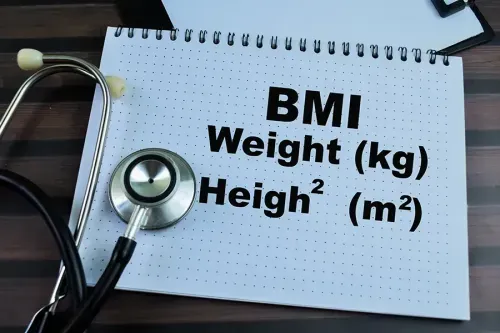
Does Childhood BMI Affect Adult Health Risks?
Childhood BMI & Adult Health Risks: What’s the Connection?
Yes, it does. A child’s Body Mass Index (BMI) can impact their health later in life. If a child is overweight, they may face more health problems as an adult. These include heart disease, diabetes, and obesity. Many studies have shown a strong link between high childhood BMI and serious adult illnesses.
Overweight Children Often Become Overweight Adults
Children with high BMI often carry extra weight into adulthood. Long-term studies show that adolescents with obesity have a significantly higher likelihood of remaining obese in adulthood, though this outcome is not inevitable and can be modified by early intervention. In contrast, very few normal-weight teens reached that level.
This shows that early weight problems can grow worse with time. It is easier to manage weight in childhood than later in life.
Heart Disease Risk Goes Up with High Childhood BMI
Extra weight in childhood may put more strain on the heart. Studies have found that overweight teens have a much higher chance of getting high blood pressure when they are adults. They also had more bad cholesterol (LDL) and less good cholesterol (HDL).
Risk of Diabetes Also Increases
Obese children have a higher chance of getting type 2 diabetes later. This condition affects how the body handles sugar. It can cause tiredness, weight gain, and slow healing. Over time, it can harm the eyes, kidneys, and nerves. When weight is not controlled early, the risk of diabetes goes up.
Extra Fat Can Cause Long-Term Body Changes
High BMI in early years can cause changes in how the body works. Fat cells can grow and multiply. This makes it harder to lose weight later. The body may also become less sensitive to insulin. That is one reason why obese children often struggle with weight and sugar levels as adults.
Link Between Childhood Obesity and Cancer Risk
Childhood obesity is associated with chronic low-grade inflammation and hormonal changes that may increase cancer risk later in life. Higher BMI in youth has been associated with an increased risk of certain cancers later in life, particularly colorectal and postmenopausal breast cancer, though evidence varies by cancer type. Overall, obesity increases the likelihood of 13 types of cancer.
Breathing Conditions in Children
Asthma and sleep apnoea in overweight children can persist into adulthood and increase the risk of serious health issues later in life. These conditions can lead to significant complications if not properly managed.
Mental Health Can Suffer Too
The link between childhood BMI and mental health is also clear. Children who are overweight may face bullying. This can lead to low confidence, anxiety, and depression. These issues often continue into adulthood. Adults with a history of childhood obesity may avoid social events or feel less motivated.
Small Changes Early in Life Can Help
The good news is that early action makes a big difference. Healthy food at home and school, daily physical activity or sport, and good sleep habits help children stay fit. Parents and teachers play a key role. Regular health checks also help spot weight issues before they turn into bigger problems.
Childhood BMI does affect adult health. High BMI in early life often leads to health risks later. This includes heart disease, diabetes, and even mental health struggles. Taking simple steps early can lower these risks. Good habits in childhood lay the foundation for a healthy adult life.
Reader Information: This article is intended for general informational and educational purposes only. It does not constitute medical advice, diagnosis, or treatment. The information provided is based on current scientific research and population‑level studies, but individual health risks and outcomes may vary. Always consult a qualified healthcare professional for guidance regarding a child’s growth, weight, or overall health.
Also Read:
→ Does Menopause Affect BMI Calculations for Women
→ How Accurate are Online BMI Calculators
→ How Much Should I Walk According to My BMI
→ How Often Should I Check My BMI for Health Monitoring
→ Is BMI Considered a Pre-existing Condition in Health Insurance
GET STARTED
Confused? We’ve got the answers
We're Star Health. We offer the coverage that's designed to help keep you healthy. It's the care that comes to you and stays with you.
Yes, childhood BMI significantly impacts adult health, as high BMI during childhood often persists into adulthood, increasing risks for chronic diseases. Overweight children are more likely to become obese adults, facing higher chances of heart disease, type 2 diabetes, high blood pressure, and joint problems later in life.
A child’s body mass index can impact their health later in life. If a child is overweight, they may face more health problems as an adult. These include heart problems, obesity and diabetes. Many studies have shown a strong link between high childhood BMI and serious adult illnesses.
Yes, a high body mass index in childhood can significantly lead to serious, long-term health issues in adulthood. It often results in adult obesity and increases risks of diabetes, heart disease, high blood pressure, and certain cancers. It can also cause early insulin resistance and respiratory issues like asthma.
Yes, childhood obesity is strongly linked to adult chronic diseases. Overweight children frequently become overweight adults, carrying higher risks for type 2 diabetes, high blood pressure, heart disease and certain cancers later in life.
Popular Topics
People Also Search For


Health Insurance Coverage for pre-existing medical conditions is subject to underwriting review and may involve additional requirements, loadings, or exclusions. Please disclose your medical history in the proposal form for a personalised assessment.
This FAQ page contains information for general purpose only and has no medical or legal advice. For any personalized advice, do refer company's policy documents or consult a licensed health insurance agent. T & C apply. For further detailed information or inquiries, feel free to reach out via email at marketing.d2c@starhealth.in







