





What are the Most Effective Ways to Eliminate Head Lice?
Home Remedies for Removing Head Lice
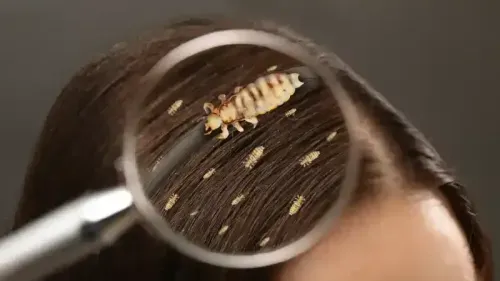
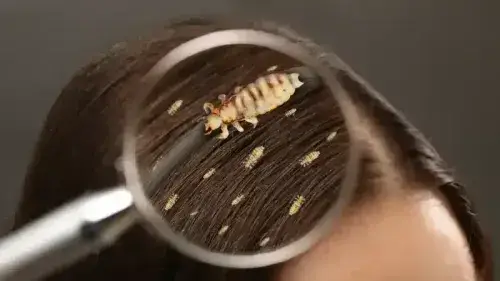
The tiny insects that crawl and live in an individual's hair are called lice. They suck blood from the person's scalp for food and lay eggs in their hair. These eggs are called nits and remain attached to the hair on your skin's surface.
Children between the ages of 3 and 11 years are mostly at risk of getting lice due to frequent head-to-head contact with other children while playing. It is necessary to get rid of these insects as early as possible. Otherwise, they will make your scalp itchy, causing irritation and infection.
Keep reading to learn effective ways to remove head lice.
What are Head Lice?
Head Lice are tiny and crawling parasitic insects that can live in your hair. They bite your skin to suck the blood, attach their eggs to your hairs, close to your scalp. All this can make your hair and scalp itchy, create discomfort.
Head lice are most common in young kids but no need to worry your head lice have nothing to do with your kid’s hygiene. Like germs it spreads too easily among people.
Symptoms of Head Lice
- Symptoms of head lice can include:
- Feeling like something in hair is moving
- Itching
- Small bumps or sores from scratching
- Difficulty in sleeping
What Causes Head Lice?
Head lice are mostly caused by direct head contact or sharing items like hairbrushes, combs, hats, etc. They spread primarily through direct head-to-head contact and, less commonly, through sharing personal items such as combs or hats. It has nothing to do with poor hygiene.
How to Remove Lice from Your Head Effectively?
Here are some of the effective ways to eliminate lice from your head:
- Wet Combing: It is a traditional method of removing lice, in which you spray conditioner on wet hair and comb it with a fine-toothed comb. It helps differentiate the dandruff and lice so that you can remove the lice from each hair strand. Though effective, it is a time-consuming process.
- Smothering: Another effective way to get rid of lice is to smother or suffocate them. For this method, you must coat the hair with almond or olive oil, divide it into small sections, and comb it. Keep rinsing the comb with hot water frequently.
Once done, wash your hair with regular shampoo and clean the comb properly. You can repeat this process twice a week to effectively eliminate lice.
Note: Smothering methods using oils have limited and inconsistent evidence and are not recommended as primary treatments. If used, they should only be considered as adjuncts to mechanical removal. - Use Dimethicone: It is often used in skincare products that form a layer on the skin to protect it from allergens or irritants. It helps dehydrate and suffocate the lice so they cannot feed or survive for long.
- Use Essential Oils: Essential oils like tea tree, lavender, and neem can help eliminate head lice when used with combing. Always dilute oils, test for allergies, and never ingest them. Apply the mixture overnight and repeat as needed. Some oils may cause allergic reactions, especially in children, so caution is advised.
- Cleaning the Household: Lice rarely survive off the scalp for more than a day, but as a precaution, wash bedding and clothing in hot water, clean hair accessories in hot, soapy water, seal un washable items in plastic bags for 48 hours to 3 days, and vacuum floors and furniture used by the affected person.
What is the Treatment for Lice Removal?
Head lice are typically treated with medications that kill lice and some eggs, but a second treatment is often necessary to eliminate newly hatched lice before they mature. All household members should be checked, and only those with confirmed live lice should be treated.
1. Over-the-counter (OTC) Treatments
This treatment uses permethrin, a synthetic pyrethroid toxic to lice, after washing hair (no conditioner). It does not kill nits, so repeat treatment is needed 9–10 days later. Side effects may include scalp redness and itching.
Another OTC drug is pyrethrins with piperonyl butoxide. It kills live lice but not eggs; a second treatment is needed after 9–10 days. Not suitable for those allergic to chrysanthemums or ragweed.
2. Prescription Treatments (for resistant cases or OTC failure)
Here are some of the drugs used in prescription treatment:
- Spinosad: It is approved for ages 6 months and older. This medicine is applied to dry hair for 10 minutes and rinsed. It kills both lice and nits, often without needing repeat treatment.
- Malathion: This medicine is suitable for ages 2 years and older. After application, it is left to dry for 8–12 hours. It is flammable and should not be used with heat sources. May be reapplied after 7–9 days if needed.
- Ivermectin: It is available as a topical lotion or oral tablet (for children over 14.9 kgs). The lotion is applied once and rinsed after 10 minutes; the oral form is used if topical treatments fail.
3. Other Considerations
Benzyl alcohol lotion shampoo may be prescribed in certain cases, but lindane is rarely used due to toxicity concerns.
Regardless of the treatment procedure you undergo, always follow your doctor's instructions and schedule. After applying medicines or shampoo, always comb your hair with a fine-toothed nit comb to remove the lice and eggs properly.
How long does head lice last?
With correct treatment and follow-up, head lice are usually eliminated within 7–14 days. In rare cases, you might have to try a different kind of treatment if the first doesn’t work.
In case, your child can’t stop scratching, consult with medical care experts. They might be able to give you additional treatment options to prevent them from damaging their scalp.
How to Prevent Head Lice?
The best way to prevent head lice is to avoid sharing towels, hats, combs, or brushes with anyone who might have lice. Avoiding physical contact with the person with lice is also necessary to prevent the lice from spreading.
Here are some more ways to prevent head lice:
- Avoid head-to-head contact
- If anyone in your family has lice, wash clothes, bedding, etc., with hot water
- Avoid sharing hats or any other items that you put on your head with others
- Vacuum clean the furniture and areas of your home that have been used or occupied by a person with lice
Disclaimer: The information provided in this article is intended for general educational purposes only. Home remedies and alternative approaches discussed may not be supported by strong clinical evidence and may not be suitable for everyone, especially young children or individuals with sensitive skin or allergies. Always consult a qualified healthcare professional before starting, stopping, or changing any treatment, particularly if symptoms persist, worsen, or signs of infection develop.
Also Read:
→ General Cost of Different Types of Head Scans
→ Recommended Steps to Reduce Swelling on the Head
→ What is the Approximate Cost of a Head CT Scan
→ Common Medical Treatments for Head Injury Blood Clots
Popular Topics
People Also Search For


Health Insurance Coverage for pre-existing medical conditions is subject to underwriting review and may involve additional requirements, loadings, or exclusions. Please disclose your medical history in the proposal form for a personalised assessment.
This FAQ page contains information for general purpose only and has no medical or legal advice. For any personalized advice, do refer company's policy documents or consult a licensed health insurance agent. T & C apply. For further detailed information or inquiries, feel free to reach out via email at marketing.d2c@starhealth.in







