





What Is The West Nile Virus Caused By?
West Nile Virus & Brain Health: What You Need to Know
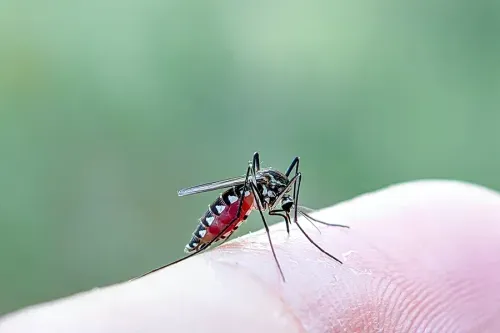
West Nile disease is primarily transmitted through an infected mosquito bite. The overwhelming majority of individuals infected with the virus remain asymptomatic. About one in five people infected may develop mild symptoms such as fever, body aches, and a rash. In sporadic and severe cases, the infection may lead to swelling of the brain or spinal cord, referred to as encephalitis or meningitis.
Interested in learning more? Read on!
What Is West Nile Virus?
West Nile virus is a mosquito-borne disease that can infect birds, horses, mosquitoes, and humans, as well as other animals. Though rare, the virus can also be transmitted by blood transfusions, organ donation, and from a pregnant woman with the infection to her unborn baby.
In temperate regions, West Nile virus cases peak in late summer and early fall. In tropical and subtropical regions, including parts of South Asia, transmission may occur for longer periods of the year, with higher risk during and after rainy seasons when mosquito populations increase.
What are the Various Signs and Symptoms of West Nile Virus?
The majority of people who become infected with this virus will not show symptoms and will never even know that they had it.
Approximately one in five people who contract the infection may develop a mild illness known as West Nile fever. Typical symptoms include:
- Fever
- Headache
- Painful joints and muscles
- Rash on body's torso
- Swollen lymph nodes
Severe cases, which are more common in older people, involve the virus infecting the nervous system and brain. These may lead to more severe symptoms like:
- Severe headache
- High-grade fever
- Stiff neck
- Confusion or unawareness
- Drowsiness or stupor
- Disorientation
- Loss of consciousness or coma
- Shaking or seizures
- Weakening of muscles
- Partial or complete paralysis
Remember, these signs may resemble those of other health issues, so it's wise to consult a doctor for a precise evaluation.
How Do You Get West Nile Virus?
West Nile virus is caused primarily by mosquitoes that have fed previously on infected birds. Although birds are the host of the virus, no direct evidence of human infection from birds is present. Because an infected mosquito can infect humans or animals through a bite, once bitten, symptoms usually occur two to six days later but sometimes as late as 14 days.
In exceptional instances, the virus has also spread through:
- Mother to infant during pregnancy
- Breast milk
- Blood transfusions
- Organ transplants
What Treatment Methods Are Currently Used to Manage West Nile Virus?
Your treatment will be determined by your overall health, age, and intensity of your symptoms. No antiviral medication is currently available to specifically treat West Nile virus.
For life-threatening illnesses like West Nile encephalitis or meningitis, supportive therapy is necessary and may involve:
- Hospitalisation
- Intravenous (IV) fluids
- Breathing support using a ventilator
- Preventive management to avoid secondary infections like pneumonia or UTI
- Continued nursing management and monitoring
What Complications Can Arise?
The majority of individuals who contract the West Nile virus develop no symptoms or only minor, flu-like symptoms. In a few instances, however, the virus causes severe, life-threatening nervous system illnesses like
- Encephalitis (brain inflammation)
- Meningitis (inflammation of the brain covering and spinal cord)
- Meningoencephalitis (inflammation of the brain covering and brain)
How to Prevent West Nile Virus?
Currently, there is no vaccine available to prevent West Nile virus infection. Prevention is attained by reducing your chances of being bitten by mosquitoes. Here are a few steps you can follow to stay protected:
- Limit exposure during mosquito-active times: Remain inside during dawn and dusk when mosquitoes are most active.
- Protect yourself with mosquito repellent: Spray EPA-registered repellents on skin and clothing prior to going out.
- Dress accordingly: Wear long sleeves and long pants to minimise exposed skin.
- Eliminate standing water: Regularly clean birdbaths, plant trays, or clogged drains where mosquitoes can breed.
- Keep your home safe: Fit screens or keep doors and windows closed to keep mosquitoes away.
Take care when outdoors or travelling: use bed nets or keep windows closed to avoid mosquito bites, particularly in the evening.
How Long Does the West Nile Virus Last?
Most people with mild illness recover completely in a few weeks. Weakness and fatigue, however, continue for several months. In neurological diseases, long-term symptoms such as memory loss, balance disturbance, hearing loss, or other neurologic symptoms may occur.
Reader information: This article is intended for general informational and educational purposes only. It does not constitute medical advice, diagnosis, or treatment. The information provided should not be used as a substitute for professional medical consultation, diagnosis, or care.
West Nile virus symptoms and outcomes can vary depending on individual health conditions. If you experience symptoms, have concerns about possible exposure, or require medical guidance, please consult a qualified healthcare professional promptly.
While efforts are made to ensure the accuracy and reliability of the information, medical knowledge and guidelines may change over time. Readers are encouraged to refer to authoritative public health sources and seek professional advice for the most current recommendations.
Also Read:
→ Which Enzyme Deficiency Causes Alkaptonuria
→ Cause of Adrenoleukodystrophy
→ Cause of Cronkhite-Canada Syndrome
Popular Topics
People Also Search For


Health Insurance Coverage for pre-existing medical conditions is subject to underwriting review and may involve additional requirements, loadings, or exclusions. Please disclose your medical history in the proposal form for a personalised assessment.
This FAQ page contains information for general purpose only and has no medical or legal advice. For any personalized advice, do refer company's policy documents or consult a licensed health insurance agent. T & C apply. For further detailed information or inquiries, feel free to reach out via email at marketing.d2c@starhealth.in







