





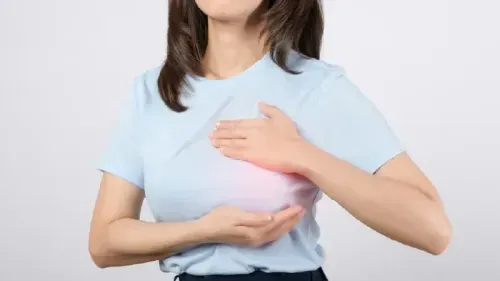
When to Worry About Breast Pain?
When Is Breast Pain a Concern? Causes and Symptoms Explained
Mastalgia refers to breast pain that may be cyclical (related to the menstrual cycle) or non‑cyclical, and can be acute or chronic in nature. Several health conditions, along with other factors, cause breast pain. Depending on the cause, the pain intensity varies from mild to severe. Most causes of breast pain go away on their own. However, some may indicate a serious underlying medical condition.
Breast pain is always worrisome, but not all breast pain requires medical intervention. Here are some common causes of breast pain that will help you differentiate when it is alarming and when it is not:
1. Hormonal Fluctuations
Hormonal shifts, especially during the menstrual cycle, can make your breasts swollen and painful. However, there is no need to worry since the pain diminishes once your hormone levels strike a balance. Your breasts may also feel lumpy due to the varying levels of oestrogen and progesterone.
Cyclical breast pain usually begins 1–2 weeks before menstruation and improves or resolves once periods start. Apart from the menstrual cycle, there are other conditions where hormonal imbalance leads to breast pain:
- Menopause
- Hormone therapy
- Pregnancy
What Part of the Breast Hurts in Early Pregnancy?
Breast tenderness is something many women encounter in the early stages of pregnancy. Each woman may feel different types of pain or discomfort. It is important to understand where the breast pain is coming from and why it happens, as this knowledge can help manage the symptoms during those initial weeks of pregnancy.
Areas of Breast Pain
Some women encounter pain throughout the entire breast, while some experience it in specific areas. Take a look:
1) The Nipples and Areolas
The nipple and areola are the primary areas of the breast that usually become more tender. Areola is the dark skin surrounding the nipple. Many women experience sensitivity around their nipples during the first trimester.
This pain becomes sharp when the nipple is stimulated, such as during showering or clothing friction. The areola also becomes darker. It is the body’s way to prepare itself for breastfeeding.
2) The Upper and Outer Parts of the Breast:
For many, the pain appears in the upper and outer parts of the breast, near the armpits. The increasing levels of hormones swell up the milk ducts and glands. This expansion can cause swelling and soreness.
3) The Whole Breast:
Many women feel an aching sensation and heaviness in their entire breasts. As the days of pregnancy continue, the milk-producing glands start to develop. This causes a feeling of fullness across the whole breast.
4) The Inner and Lower Parts of the Breast
Some women also experience pain in the inner or lower parts of their breasts. Mostly, this discomfort occurs due to the body’s alterations during pregnancy. The growth of breast tissues increases blood flow in that area, which contributes to lower breast soreness.
Medical Conditions
Many people consider breast pain as the primary symptom of breast cancer, but that is not always the case. Several other medical conditions cause breast pain. Have a look:
1. Fibrocystic Breast Changes
Fibrocystic Breast Changes refer to benign changes within the breasts. They are often characterised by lumpy and irregularly dense breast tissues. Non-cancerous changes in breast tissue can cause persistent pain. Medical evaluation is recommended if fibrocystic changes are associated with bloody, persistent, unilateral, or spontaneous nipple discharge.
2. Breast Cysts
Breast cysts are fluid-filled sacs within the breast tissue. Due to hormonal fluctuations, they become enlarged and tender. Compressing around the cysts causes pinching pain. If you have a breast cyst that is growing quickly, it is important to reach out to a gynaecologist.
3. Mastitis
This condition typically occurs during lactation. Since your breasts are lactating heavily during breastfeeding, it causes an infection in the supporting tissues. It can cause red, swollen and lumpy breasts with other flu-like symptoms, like:
- Fever
- Chills
It is better not to try out any DIY methods to ease the pain; reach out to your doctor to cure Mastitis using antibiotics.
4. Breast Abscess
A breast abscess is a localized collection of pus within breast tissue, usually resulting from infection. These are often caused by bacterial infection. It can happen to both lactating and non-lactating individuals. Breast abscesses can lead to serious pain. You can contact your nearby physicians for proper treatment and drainage of the accumulated puss.
5. Costochondritis
Costochondritis is the inflammation of the cartilage that connects your ribs to your breastbone (sternum). The inflammation causes massive chest pain. It is often mistaken for a heart problem. But the condition is usually harmless and resolves on its own.
If you are experiencing mild breast pain, give it some time to recover. However, if the pain persists and co-occurs with either of the following symptoms, it is important to reach out to a doctor:
- A fever
- Whitish discharge from your nipples
- Sudden increases in pain
- A painful or painless lump
- Mass discolouration or skin changes
- Throbbing pain in one specific area
- Pain delinked with the menstrual cycle
Reader information: This article is intended for general informational purposes only and does not constitute medical advice, diagnosis, or treatment. Breast pain can have multiple causes that vary from person to person. While the information provided aims to be accurate and up to date, it should not be used as a substitute for professional medical consultation. If you experience persistent, severe, or worsening breast pain, notice new lumps, nipple discharge (especially bloody or spontaneous discharge), skin changes, fever, or pain unrelated to your menstrual cycle, you should seek evaluation from a qualified healthcare professional. Never delay or ignore medical advice based on information found in this article.
Also Read:
→ What Causes Back Pain in Females
→ What Causes Chest Pain in a Woman
Popular Topics
People Also Search For


Health Insurance Coverage for pre-existing medical conditions is subject to underwriting review and may involve additional requirements, loadings, or exclusions. Please disclose your medical history in the proposal form for a personalised assessment.
This FAQ page contains information for general purpose only and has no medical or legal advice. For any personalized advice, do refer company's policy documents or consult a licensed health insurance agent. T & C apply. For further detailed information or inquiries, feel free to reach out via email at marketing.d2c@starhealth.in







