





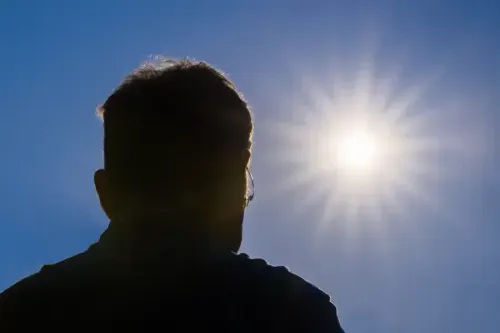
Protecting Elderly People from Heat Stroke During Summer
Heat Stroke in the Elderly: Warning Signs, Prevention Tips, and Emergency Care for Seniors During Summer
Summers are getting hotter and lasting longer in many parts of India and around the world. Things like the El Niño effect, more buildings in cities, and changing weather patterns are making heatwaves more common. While anyone can feel the effects of extreme heat, people aged 60 and above are at a much higher risk of problems like heat exhaustion and heat stroke.
For every senior citizen, understanding the dangers of excessive heat and taking preventive measures can make a life-saving difference. In this article, we’ll look at why older adults are more vulnerable, how to identify warning signs, what to do during an emergency, and practical ways to stay safe during hot weather.
Why Extreme Heat is Becoming More Common
In the past few years, many places have seen higher temperatures and longer heatwaves than usual. Experts say that changes in the climate and phenomena such as the El Niño effect are making the heat even worse in some areas.
As the temperature goes up, so does the risk of heat-related illnesses. Seniors, especially those who live alone or have ongoing health problems, need to be particularly cautious during summer months.
Why Are Seniors at Greater Risk?
The human body relies on sweating and circulation to regulate temperature. As people age, these cooling mechanisms become less efficient.
Adults aged 60+ may be more vulnerable because:
- The body's ability to regulate temperature decreases with age.
- The sensation of thirst may become weaker, increasing the risk of dehydration.
- Chronic conditions such as heart disease, diabetes, and kidney problems can make it harder to cope with heat.
- Certain medications may affect sweating, hydration, or circulation.
- Limited mobility can prevent some seniors from moving to cooler environments quickly.
These factors make it easier for a senior citizen to develop heat exhaustion or heat stroke during extreme weather conditions.
Understanding Heat Exhaustion and Heat Stroke
Many people mix up heat exhaustion and heat stroke, but they are actually different problems.
Heat Exhaustion
Heat exhaustion happens when your body loses too much water and salt through sweating. It’s a serious problem, but if you act quickly, you can stop it from getting worse.
Heat Stroke
Heat stroke is a medical emergency. It happens when your body can no longer control its temperature and it gets dangerously high. If not treated right away, heat stroke can harm important organs and can even be life-threatening.
Heat Exhaustion in Elderly Symptoms
Recognising heat exhaustion symptoms in the elderly early can prevent a medical emergency.
Common symptoms of heat exhaustion in elderly individuals include:
- Heavy sweating
- Excessive thirst
- Weakness or fatigue
- Dizziness
- Headache
- Muscle cramps
- Nausea or vomiting
- Pale or clammy skin
- Rapid heartbeat
- Difficulty concentrating
If you notice any of these symptoms, it’s important to cool down and drink fluids right away.
Symptoms of Heat Stroke in Elderly
The symptoms of heat stroke in elderly individuals can appear suddenly and should never be ignored.
Some common signs of heat stroke in elderly adults include:
- Very high body temperature
- Hot, dry skin or reduced sweating
- Confusion or altered mental state
- Slurred speech
- Severe headache
- Rapid pulse
- Loss of coordination
- Seizures
- Fainting or unconsciousness
If you see these signs in an elderly person, get medical help immediately. Heat stroke is an emergency and needs quick treatment.
Symptoms of Sunstroke in Elderly
The term sunstroke is often used interchangeably with heat stroke when prolonged sun exposure triggers the condition.
Common symptoms of sunstroke in elderly people include:
- Extreme body heat
- Dizziness
- Mental confusion
- Dry, flushed skin
- Disorientation
- Nausea
- Loss of consciousness
Any older adult displaying these symptoms after spending time outdoors should receive immediate medical attention.
What to Do Immediately
Acting quickly can make a big difference if someone has a heat-related illness.
If Heat Exhaustion is Suspected
- Move the person to a cool or shaded location.
- Loosen or remove excess clothing.
- Encourage them to sip water or oral rehydration fluids.
- Apply cool, damp cloths to the neck, wrists, and forehead.
- Use a fan or air conditioning if available.
- Monitor symptoms closely.
Seek medical help if symptoms worsen or fail to improve.
Treatment of Heat Stroke in Elderly
The treatment of heat stroke in elderly individuals begins with emergency medical care.
While waiting for help:
- Call emergency medical services immediately.
- Move the person to a cooler environment.
- Remove excess clothing.
- Apply ice packs to the neck, underarms, and groin area.
- Use cool water and fans to lower body temperature.
- Do not force fluids if the person is unconscious or confused.
Professional treatment of heat stroke in elderly patients may include intravenous fluids, temperature management, and monitoring of vital organs.
Prevention Tips for Seniors During Summer
Prevention remains the best defence against heat-related illnesses.
Stay Hydrated
Drink water regularly throughout the day, even when not feeling thirsty. Avoid excessive consumption of alcohol and caffeinated beverages that can contribute to dehydration.
Avoid Peak Heat Hours
Try to stay indoors between 11 a.m. and 4 p.m., when temperatures are usually highest.
Dress Appropriately
Wear:
- Lightweight clothing
- Loose-fitting garments
- Light-colored fabrics
- Wide-brimmed hats when outdoors
Keep Living Spaces Cool
Use:
- Fans
- Air conditioners
- Curtains or blinds to block direct sunlight
If home cooling is limited, spend time in community cooling centres, malls, libraries, or other air-conditioned public spaces.
Eat Light Meals
Heavy meals can increase body heat. Choose fresh fruits, vegetables, and lighter foods during very hot days.
Monitor Weather Alerts
During heatwaves associated with the El Niño effect and extreme summer conditions, pay close attention to weather advisories and take extra precautions.
Check on Elderly Family Members
Family members and caregivers should regularly check on seniors, especially those living alone. Daily contact during heatwaves can help identify early warning signs before they become serious.
Review Medications
Some medicines can make it harder for seniors to stay hydrated or handle the heat. It’s a good idea to talk to your doctor about any risks during the summer.
The Role of Caregivers and Families
Caregivers play an important role in preventing heat-related illnesses. They can:
- Ensure adequate hydration.
- Monitor indoor temperatures.
- Watch for behavioural changes or confusion.
- Encourage regular rest periods.
- Arrange medical care when warning signs appear.
By staying vigilant, families can significantly reduce heat-related health risks for older adults.
Conclusion
Heatwaves are becoming more common, and extreme temperatures present a serious health threat to people aged 60+. Understanding the symptoms of heat stroke in elderly individuals, recognising heat exhaustion symptoms in elderly individuals, and knowing the appropriate treatment of heat stroke in elderly individuals can help prevent severe complications.
For every senior citizen, staying hydrated, avoiding excessive heat exposure, and acting quickly when symptoms appear are essential steps toward staying safe during summer. With awareness, preparation, and support from family members, older adults can enjoy the season while minimising the dangers of heat-related illnesses.
Reader Information: This article is intended for general educational and informational purposes only and should not be considered medical advice, diagnosis, or treatment. The symptoms of heat stroke in elderly individuals and other heat-related illnesses can vary depending on age, underlying health conditions, and medications. If a senior citizen experiences signs of heat stroke, heat exhaustion, confusion, loss of consciousness, difficulty breathing, or any other severe symptoms, seek immediate medical attention. Always consult a qualified healthcare professional for personalised medical guidance regarding heat-related health risks and treatment options.
FAQs
Early symptoms of heat stroke in elderly individuals may include confusion, severe headache, dizziness, rapid heartbeat, and unusually high body temperature. Immediate medical attention is necessary.
Common heat exhaustion symptoms in the elderly include heavy sweating, weakness, nausea, dizziness, muscle cramps, headache, and dehydration.
The treatment of heat stroke in elderly patients involves emergency medical care, rapid body cooling, fluid replacement, and continuous monitoring to prevent organ damage.
Yes. Adults aged 60+ are more vulnerable because ageing reduces the body's ability to regulate temperature, increasing the likelihood of dehydration and heat-related illnesses.
A senior citizen can reduce risk by staying hydrated, avoiding outdoor activities during peak heat hours, wearing lightweight clothing, keeping indoor spaces cool, and monitoring weather alerts during periods influenced by the El Niño effect.
Related Health Info Links
Health Insurance Coverage for pre-existing medical conditions is subject to underwriting review and may involve additional requirements, loadings, or exclusions. Please disclose your medical history in the proposal form for a personalised assessment.
Information on this Health Information page is for educational purposes and not medical advice. Consult a healthcare professional for any health issues and rely on their guidance for diagnosis and treatment. T & C apply. For further detailed information or inquiries, feel free to reach out via email at marketing.d2c@starhealth.in







