

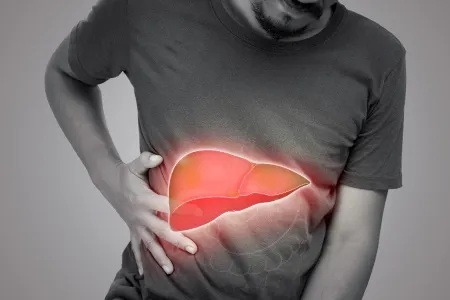
World Liver Day 2026 - How Daily Habits Impact Liver Health
Liver Health Awareness: Lifestyle Checklist & Recovery Guide - World Liver Day 2026
World Liver Day 2026 reminds us that liver health is often overlooked until problems arise. This year, let’s use the occasion to spotlight practical lifestyle changes that protect and restore this vital organ.
Most people ignore the liver until it starts to protest. Unlike a sharp headache or a persistent cough, liver strain is notoriously quiet, performing vital duties even when it is struggling. Understanding the unhealthy lifestyle effects on liver health is the first step toward reclaiming your energy and ensuring your body’s internal filtration system remains in top condition.
By the time physical discomfort arises in the upper right side of your abdomen, the damage may already be quite advanced. This makes early awareness a vital tool for your long-term wellness.
The Unseen Connection Between Daily Habits and Liver Vitality
Think of your liver as the ultimate multi-tasking office manager. It processes everything you eat and drink, filters toxins from your blood, and stores energy for later use. In a busy urban environment, this manager is often overworked and under-supported.
While many people focus on heart health, the liver is the quiet engine room that keeps every other system running smoothly. It produces bile for digestion, regulates blood clotting, and manages your cholesterol levels around the clock.
The modern professional faces unique challenges. Long hours at a desk, a reliance on processed "convenience" foods, and high levels of stress all contribute to metabolic pressure. When we consume more sugar and saturated fat than our bodies can burn, the liver begins to store the excess as fat.
This condition, often called fatty liver, is like a kitchen sponge that has become so soaked in oil it can no longer absorb water. It is a slow process that happens over years of sedentary habits, yet the impact on your overall health is profound.
Body Language: Hearing the Whispers of Liver Strain
Because the liver is so stoic, early symptoms are often easy to dismiss as general exhaustion. Recognising these signals requires a bit of detective work and a willingness to listen to your body’s quieter signals.
- Persistent, heavy fatigue: One of the most common early liver damage symptoms, this manifests as a deep, systemic sluggishness that rest cannot resolve because the liver is struggling to manage energy levels.
- Digestive discomfort: Keep an eye out for signs of liver disease like frequent bloating or a feeling of fullness even after eating a small meal.
- Skin and eye changes: You may notice a slight yellowing of the whites of the eyes or skin that feels itchy without any obvious cause.
Distinguishing Daily Tiredness from Liver Fatigue
| Feature | General Tiredness | Clinical Liver Fatigue |
| Recovery | Resolves after 7 to 8 hours of quality sleep. | Persists despite adequate rest or weekend naps. |
| Mental State | Usually clears once you have some water. | Often accompanied by brain fog or confusion. |
| Timing | Typically peaks in the evening. | Can feel heavy from the moment you wake up. |
| Physicality | Muscles might feel a bit heavy or weak. | A deep, systemic exhaustion. |
The Modern Professional’s Liver Health Checklist
Use this liver health checklist to see if your current lifestyle might be putting your liver under unnecessary pressure.
- Dietary Habits: Do you consume processed junk food or sugary drinks more than three times a week? Is your diet low in leafy greens?
- Activity Levels: Do you spend more than six hours a day sitting at a desk without breaks? Do you achieve less than 150 minutes of moderate exercise per week?
- Metabolic Markers: Is your waist circumference increasing? Have you been told you have high cholesterol or borderline high blood sugar?
- Consumption Patterns: Do you regularly exceed the recommended weekly alcohol limits?
If you answered yes to several of these, your liver is likely working overtime. While self-assessments help you monitor personal risk factors, a definitive diagnosis requires a medical professional.
Regular preventive health check-ups, including routine liver function tests, are essential for identifying early warning signs before they escalate into serious complications.
The Comeback: Reclaiming Vitality Through Small Shifts
The good news is that the liver is the only organ in the human body capable of complete regeneration. Even if there is early-stage fat buildup, consistent lifestyle changes can often reverse the damage. Learning how to keep liver healthy does not require expensive supplements.
Focus on "crowding out" the bad with the good. Switch to complex carbohydrates like oats or brown rice, which release energy slowly. This prevents insulin spikes that lead to fat storage.
Physical activity also acts like a pressure release valve. When you move, your muscles burn the glucose and fatty acids that would otherwise be sent to the liver for storage. A brisk 20-minute walk daily can significantly lower the amount of fat being deposited in your liver cells.
Key Takeaways
- Liver damage is silent: You won't feel pain, so look for fatigue and digestive changes.
- Habits matter: Sedentary desk work and high-sugar diets are as taxing as alcohol.
- Regeneration is possible: The liver is highly resilient and can heal with consistent lifestyle changes.
- Start small: Swap processed snacks for whole foods and aim for daily movement.
- Consult with the experts: If you are concerned, a simple blood test can provide the clarity you need.
FAQs
People Also Search For
Health Insurance Coverage for pre-existing medical conditions is subject to underwriting review and may involve additional requirements, loadings, or exclusions. Please disclose your medical history in the proposal form for a personalised assessment.
The information provided on this page is for general informational purposes only. Availability and terms of health insurance plans may vary based on geographic location and other factors. Consult a licensed insurance agent or professional for specific advice. T&C Apply. For further detailed information or inquiries, feel free to reach out via email at marketing.d2c@starhealth.in