





Current Non-Surgical Treatment for Knee Arthritis
Knee Replacement Alternatives to Consider
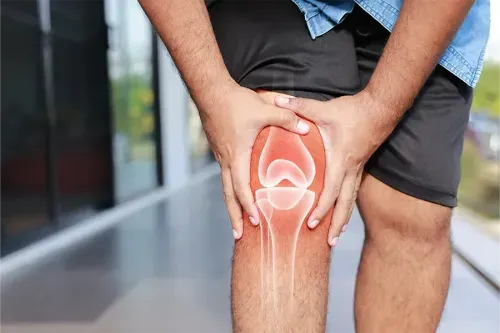
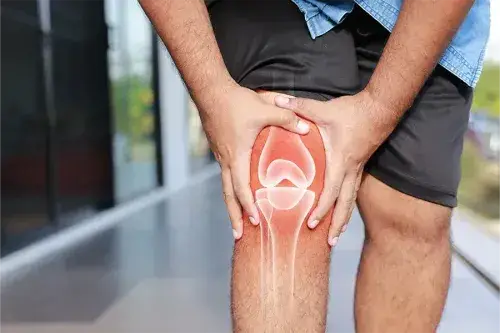
Knee arthritis is a common and often debilitating condition affecting millions of people worldwide. It occurs when the cartilage that cushions the joints wears down over time, leading to pain, swelling, stiffness, and reduced mobility.
While surgery, such as knee replacement, may ultimately be necessary in some cases, numerous non-surgical treatments are available to alleviate symptoms, slow progression, and enhance quality of life. These treatments aim to relieve pain, improve joint function, and maintain the joint's overall health and well-being.
Read ahead to learn about some non-surgical treatments for knee arthritis.
10 Non-Surgical Treatments Available for Knee Arthritis
The non-surgical treatments for knee arthritis are as follows:
1. Lifestyle Modifications
Lifestyle modifications typically serve as the first line of defence against more severe symptoms of knee arthritis.
- Weight Management: Being overweight places additional stress on knee joints, which accelerates cartilage loss. Studies have demonstrated that even modest weight loss can significantly alleviate knee pain and improve function.
- Activity Modification: Avoiding activities that worsen the pain, such as high-impact sports or prolonged periods of standing, can help prevent knee injuries. High-impact sports should be replaced with low-impact alternatives such as cycling or swimming.
2. Physical Therapy and Exercise
Structured physical therapy is crucial for maintaining knee function. A physical therapist can create a personalized program that may include:
- Strengthening Exercises: Strength exercises that target the muscles surrounding the knee, such as the hamstrings and quadriceps, can help decrease joint stress.
- Flexibility Exercises: Stretching helps maintain joint mobility and prevent stiffness.
- Low-Impact Aerobic Conditioning: Low-impact aerobics, such as walking, water therapy, and stationary cycling exercises, can improve endurance while minimizing joint stress.
Adherence to a specially formulated exercise program has been shown to reduce pain and postpone the need for surgery among most individuals with arthritis.
3. Medications
Many drugs can manage the symptoms of knee arthritis, such as:
- Analgesics: Mild to moderate pain can be managed with acetaminophen.
- Nonsteroidal Anti-Inflammatory Drugs (NSAIDs): Medications, such as ibuprofen and naproxen, effectively alleviate pain and inflammation. However, they should be used cautiously in long-term therapy due to the potential for gastrointestinal, cardiovascular, and renal toxicities.
- Topical Agents: Topical creams containing NSAIDs or capsaicin can be applied directly to the knee, resulting in fewer systemic side effects and reduced pain.
- Corticosteroids: While generally administered as injections (below), oral corticosteroids are occasionally used for short-term symptom relief.
4. Injections
Injections can provide temporary pain relief and are commonly used when oral medication and physical therapy prove inadequate.
- Corticosteroid Injections: Anti-inflammatory injections that may alleviate swelling and pain for weeks to months. However, repeated use can weaken joint structures.
- Hyaluronic Acid Injections (Visco supplementation): Hyaluronic acid serves as a joint lubricant. Injecting it into the knee may enhance shock absorption and improve joint function, although results can be unpredictable, and the effects are often minimal.
- Platelet-Rich Plasma (PRP) Therapy: PRP involves injecting a concentrated sample of a patient's platelets to stimulate healing and reduce inflammation. It shows promise but is still deemed experimental by many insurers and medical societies.
- Stem Cell Therapy: Experimental treatments utilize stem cells to attempt to regenerate cartilage. Trials are currently in progress, and while preliminary studies are promising, these treatments are not yet widely endorsed. Stem cell injections are not approved by the U.S. FDA for knee osteoarthritis and remain investigational. Patients should be cautious of unregulated clinics.
5. Assistive Devices
Support equipment may significantly reduce the load on arthritic knees.
- Braces: Stabilizing or off-loading braces can redistribute stress away from the injured area in the knee, reducing pain and promoting function.
- Shoe Inserts and Orthotics: Special orthoses can correct faulty biomechanical alignment and redistribute forces more symmetrically through the knee joint.
- Canes or Walkers: These aids reduce the load on the knees during walking and can help prevent falls.
6. Alternative and Complementary Therapies
Alternative treatments offer some patients relief but lack consistent scientific evidence. Some of them include:
- Acupuncture: Research suggests that acupuncture may help alleviate knee pain associated with arthritis, possibly by stimulating pain-modulating pathways in the nervous system.
- Supplements: Glucosamine and chondroitin sulfate are the most popular supplements believed to support cartilage health. While clinical studies have yielded conflicting results, some patients report experiencing symptomatic relief.
- Mind-Body Techniques: Chronic pain programs that integrate meditation, biofeedback, and cognitive-behavioural therapy enable patients to manage persistent discomfort more effectively.
7. Diet and Nutrition
An anti-inflammatory diet rich in fruits, vegetables, whole grains, lean proteins, and healthy fats may benefit joint health and reduce systemic inflammation. Omega-3 fatty foods, such as salmon, flaxseeds, and walnuts, along with antioxidant-rich sources like berries, spinach, and kale, are especially beneficial. Decreasing the consumption of processed foods and those high in sugar can also help lower inflammation and body weight.
Non-surgical interventions for knee arthritis provide various choices to alleviate pain, enhance mobility, and preserve quality of life. By integrating lifestyle modifications, physical therapy, medications, and additional therapies, most patients can efficiently manage their symptoms and postpone or even prevent the necessity for surgery.
8. Kinesiology tape
A person can use this tape to help to minimize arthritis pain and enhance their range of motion. Some studies suggest that kinesiology tape may provide short-term, modest improvements in pain perception and a sense of joint support for some individuals with arthritis. However, high-quality reviews indicate these effects are often small and may not be significantly better than other standard treatments. It should not be considered a cure or primary treatment. Kinesiology tape resulted as follows:
- Improvement in walking
- Better pain relief
- Better range of movement in the knee
But, excessive use of kinesiology tape may result to skin issues including:
- Irritation because of sweating
- Allergic reaction
9. Ablation
Radiofrequency ablation (RFA) is a minimally invasive procedure sometimes used to manage chronic pain from knee osteoarthritis. It works by using heat to disrupt specific sensory nerves that carry pain signals from the knee. It is generally reserved for patients who have not found sufficient relief from conservative treatments like physical therapy, medications, or corticosteroid injections and who may wish to delay or avoid knee replacement surgery. Research shows it can provide significant pain relief for many patients for a period of 6 to 24 months, though nerves can regenerate over time, potentially requiring a repeat procedure. This procedure should only be performed by a qualified pain management or orthopaedic specialist after a thorough evaluation.
10. Cold & Heat Therapy
Cold & hot therapy target areas of the body in distinct ways. Cold treatment helps by:
- Reduced blood flow to decrease swelling
- Slow down the pain signals through nerves
- Hindering inflammatory chemicals
Meanwhile, warm therapy ease arthritis pain in terms of:
- Increasing blood flow to deliver oxygen and nutrients, which can soothe stiff joints and relax muscles
- Tight muscles relaxation
- Improving circulation, which may aid in the general recovery process
Crucial Rule of Thumb: Use ice for new, swollen injuries. Use heat for relaxing tight, stiff muscles. Do not use heat on an acutely inflamed joint.
Early intervention and a proactive approach yield the best long-term results, enabling patients to maintain active and independent lives for many years to come.
Disclaimer: This article is intended for general informational and educational purposes only. Management of knee arthritis varies based on individual health status, severity of disease, and other medical conditions. Treatment decisions should always be made in consultation with a licensed physician or orthopaedic specialist.
Also Read:
→ What is the Estimated Cost of Robotic Knee Replacement Surgery
→ What are the Ayurvedic Ways to Treat Knee Pain Effectively
→ How to Treat Injuries to Knee Ligaments
→ What is the General Cost of Knee Surgery
Popular Topics
People Also Search For


Health Insurance Coverage for pre-existing medical conditions is subject to underwriting review and may involve additional requirements, loadings, or exclusions. Please disclose your medical history in the proposal form for a personalised assessment.
This FAQ page contains information for general purpose only and has no medical or legal advice. For any personalized advice, do refer company's policy documents or consult a licensed health insurance agent. T & C apply. For further detailed information or inquiries, feel free to reach out via email at marketing.d2c@starhealth.in







