

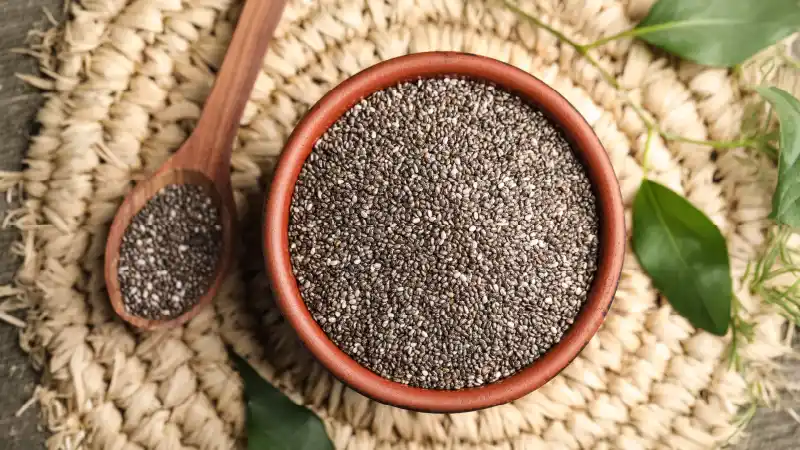
Do Chia Seeds Cause Constipation?


Are Chia Seeds the Solution to Constipation?
Chia seeds contain approximately 34 g of dietary fibre per 100 g, making them a high‑fibre food, which can boost regular bowel movements and help prevent constipation. Now, the actual consumption of chia seeds for the human body varies between age, sex, and health conditions. While there is no formal recommended daily intake, many nutrition experts suggest 1–2 tablespoons (approximately 15–30 g) per day as a commonly tolerated amount for most healthy adults, depending on overall fibre intake and hydration.
To maximize the efficacy of chia seeds, health experts advise beginning with half a tablespoon and increasing gradually to one tablespoon, soaking the seeds for a minimum of 20 minutes before consumption.
Keep reading to understand how chia seeds can help prevent constipation and contribute to your diet!
Do Chia Seeds Cause Constipation?
Yes, chia seeds can result in constipation if not taken with sufficient water. Though they are a good source of fibre and help with digestion, their high fibre content still needs enough hydration to work properly. Without adequate liquid, constipation may occur when high‑fibre foods like chia seeds are consumed without adequate fluid, which can lead to harder stools and slower intestinal transit. Here's why the chia seeds could cause constipation:
- High Fibre Content: Chia seeds contain both soluble and insoluble fibre.
- Water Absorption: Chia seeds have the ability to absorb up to 12 times their weight in water.
- Constipation Complication: If you don't drink sufficient water when eating chia seeds, then they can swell in your digestive system and slow down the movement of stool, thus resulting in constipation.
- Bloating and Gas: In a few cases, over-consumption of chia seeds without sufficient water can also result in bloating and gas.
What are the Key Guidelines for Safe Chia Seed Consumption?
The following are some pointers which one must follow for safe chia seed consumption:
- Medication Interaction: Chia seeds may support cardiometabolic health due to their fibre and omega‑3 fatty acid content, but evidence for significant reductions in blood pressure or blood sugar is inconsistent, and they should not replace medical treatment. Consult your physician before consuming them if you are taking any medication related to these conditions.
- Allergy Caution: In case of any known sensitivity to seeds like flax or sesame, consultation with a health expert is recommended to avoid itching, rashes, or difficulty breathing. Severe allergic reactions can also lead to anaphylaxis - a dangerous allergic reaction that can lead to death if not treated immediately.
- Storing Guidelines: Store chia seeds in a dark, cool place. Ground chia seeds can be stored in an airtight container and in your refrigerator as well.
- Soaking Them First: Chia seeds without adequate liquid (like water, milk, or any preferred smoothie) or dry consumption can lead to several digestive problems, gas, bloating, or even blockage in the oesophagus. This is because chia seeds are capable of absorbing up to 12 times their weight in water.
- Increase Water Intake: If you are planning to include chia seeds in your diet, you need to increase your regular water intake. Being rich in fibre, chia seeds require adequate hydration to function well in the human body, failing which can lead to symptoms like dehydration and constipation.
What are the Health Benefits of Chia Seeds?
Check out the major health benefits of chia seeds below:
- Controls Blood Sugar Levels Medical studies show that fibre plays an active role in reducing blood sugar (type 2 diabetes) as well as blood pressure levels. As chia seeds are high in fibre, consuming them at safe levels contributes to controlling blood sugar levels effectively.
- Prevents Inflammation and Supports Brain Function Chia seeds contain caffeic acid (an antioxidant) and alpha-linolenic acid (ALA - a type of Omega-3 fatty acid known for its heart-healthy behaviour). They help prevent inflammation in the human body and continue brain function effectively.
Having chia seeds regularly in your diet can also reduce chronic inflammation, which usually leads to conditions like heart disease and even cancer. - Maintaining Hydration and Body Weight A serving of 28.34 grams of chia seeds holds up to 35% of the recommended fibre in your daily diet plan. By absorbing water, chia seeds can provide you with the feeling of being hydrated as well as make your stomach feel fuller for a longer time - contributing to your body weight maintenance.
- Skin Health Improvement Vitamin F, found in chia seeds, plays an active part in maintaining overall skin function and hydration. Chia seeds contain antioxidants and fatty acids that may support skin health, but robust human clinical evidence for anti‑ageing effects is limited.
- Contribution to Bone Health Containing several important nutrients, including magnesium and phosphorus, an ounce or a serving of 28.34 grams of chia seeds can provide 14% of your daily recommended allowance of calcium.
This enables you to keep your bones, muscles, and nervous functions healthy. Chia seeds are a plant source of calcium, but the bioavailability of calcium from dairy products is generally higher than from seeds due to the presence of absorption inhibitors such as phytates.
How Do Chia Seeds Help Relieve Constipation?
Here is an overview of how chia seeds help reduce constipation:
- It is clinically proven that chia seeds absorb up to 12 times their weight in water, which forms a gel-like texture that increases stool bulk.
- This lubricates the digestive tract and softens the stool, making stool passage smoother and boosting regular bowel movements.
- As chia seeds are digested slowly, their essential fibre and nutrients are released gradually. This prevents you from consuming anything unhealthy, which can lead to digestion issues.
Overall, chia seeds help increase the frequency and consistency of stool, eliminating the risk of constipation.
How to Use Chia Seeds to Relieve Constipation?
Follow the below-mentioned steps to use chia seeds to ease constipation:
- Soak 1-2 teaspoons of chia seeds in a glass of water for 15-30 minutes and wait until it forms a gel-like mixture.
- The solution needs to be taken in the morning on an empty stomach.
- Proper hydration is needed to help chia seeds work effectively in your body. Never forget to take a minimum of 8-10 glasses of water a day.
- Pay attention to any discomfort, gas, bloating, or changes in bowel movements.
- Consistency is the key. Keep taking chia seeds within the limits and allow 2-3 days to take note of any positive changes.
Consuming chia seeds daily can serve as an effective measure to relieve constipation. However, ensuring enough hydration is crucial. Otherwise, the results can be detrimental, leading to constipation and other digestive issues.
Also, if you are taking any type of medication, it is advisable that you consult with your healthcare provider before adding chia seeds to your daily diet.
Reader Information: The information provided in this article is intended for general educational and informational purposes only and should not be considered a substitute for professional medical advice, diagnosis, or treatment. While chia seeds may support digestive health when consumed appropriately, they are not a treatment for constipation or any medical condition. Individuals with underlying gastrointestinal disorders, allergies, or those taking medications for blood pressure, blood sugar, or other chronic conditions should consult a qualified healthcare professional before adding chia seeds to their daily diet.
Also Read:
→ Does Chia Seeds Reduce Body Heat
HELP CENTRE
Confused? We’ve got the answers
We’re Star Health. We offer the coverage that’s designed to help keep you healthy. It's the care that comes to you, and stays with you.
Popular Topics
People Also Search For
Health Insurance Coverage for pre-existing medical conditions is subject to underwriting review and may involve additional requirements, loadings, or exclusions. Please disclose your medical history in the proposal form for a personalised assessment.
This FAQ page contains information for general purpose only and has no medical or legal advice. For any personalized advice, do refer company's policy documents or consult a licensed health insurance agent. T & C apply. For further detailed information or inquiries, feel free to reach out via email at marketing.d2c@starhealth.in