





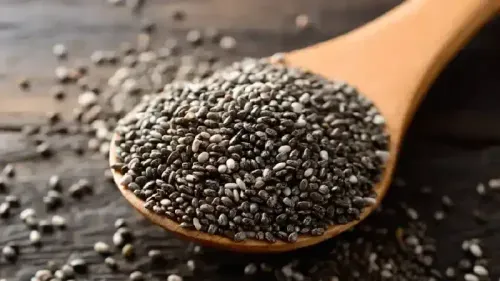
Do Chia Seeds Delay Periods?
Chia Seeds and Hormonal Balance: Do They Delay Periods?
Until now, there have been no scientific reasons to prove that chia seeds cause a period delay. Chia seeds are considered a highly nutritious food, containing protein, fibre, and healthy fats, which offer various health benefits.
Read on to find out the various health benefits that chia seeds offer!
Health Benefits of Chia Seeds
Listed below are some of the amazing health benefits of chia seeds:
- Rich in antioxidants, neutralizing free radicals and minimizing cell damages
- Their fibre and protein content may help increase satiety, which can support weight management when combined with a balanced diet.
- Contains all the necessary nutrients like calcium, magnesium, iron, phosphorus, zinc, niacin, thiamine, etc., in the right proportion
- High omega-3s and fibre content reduce the risk of heart disease.
- Consists of essential bone nutrients such as phosphorus, calcium, magnesium
- Chia seeds can absorb water and may help support hydration due to their high soluble fibre content.
- Helps in the regulation of blood sugar levels.
However, if your periods are delayed, it is crucial to understand the cause. Read ahead to learn about some of the possible reasons for period delay.
Possible Reasons for Delay in Menstrual Periods
There can be various factors that delay the menstrual periods. Listed below are some of the prominent causes:
1. Medical Conditions Associated with Delay in Menstrual Periods
- Pelvic Inflammatory Disease (PID): This is a bacterial infection wherein the female reproductive system is primarily affected. The bacteria usually enter through the vagina and get quickly spread in the upper genital tract and the uterus.
- Endometriosis: Here, the endometrial tissue grows outside of your uterus, attaching to your fallopian tubes or ovaries. It can cause cramps, abnormal bleeding, or excessive pain during periods.
- Polycystic Ovary Syndrome (PCOS): When you suffer from PCOS, your ovaries generate a large amount of androgen. This hormone can delay or prevent ovulation, leading to irregular or complete stopping of periods.
- Thyroid or Pituitary Gland Disorders: Hyperthyroidism, hypothyroidism, and other pituitary and thyroid gland disorders can result in hormonal imbalances in the body, causing irregular periods.
- Primary Ovarian Insufficiency: Women under the age of 40 primarily develop this condition, in which the ovaries do not function properly. This can lead to irregular periods.
- Cancer: In rare cases, gynecologic cancers such as uterine or ovarian cancer may alter menstrual bleeding patterns, particularly in older or postmenopausal women. Women suffering from this condition usually experience missed periods or heavier than usual periods.
2. Lifestyle Factors that Result in Delay in Menstrual Periods
- Changes in Body Weight: Gaining or losing significant body weight within a shorter duration of time can lead to a delay in periods.
- Stress: Prolonged stress is another common factor contributing to an irregular menstrual cycle.
- Heavy Exercise: Dancers, long-distance runners, and gymnasts' exercise routines can result in very low body fat, leading to delayed periods.
- Infections: The development of viral infections and other illnesses can also lead to period delays.
3. Other Factors Associated with Delay in Menstrual Periods
- Various Medicines: The consumption of steroids and anticoagulant drugs, commonly called blood thinners, can delay periods.
- Birth Control Pills: These medications mostly contain a combination of hormones to prevent the ovaries from releasing eggs. Irregular periods can be a normal consequence of using them that can last even up to six months after discontinuing the pills.
- Miscarriage: Pregnancy-related conditions, such as miscarriage or ectopic pregnancy, can affect menstrual timing in individuals who are or were recently pregnant.
- Surgery: Scarring, surgery, or blockages in the uterus, fallopian tubes, or ovaries can also cause period delay.
Management and Treatment for Delay in Menstrual Periods
Management of delayed menstrual periods depends on the underlying cause and may include lifestyle modification, medical treatment, or hormonal therapy. Surgical intervention is reserved for specific structural or pathological conditions and is not routinely required. The treatment options include:
- Combined Contraceptive Pill: It helps in regularizing your periods if the delay is caused due to polycystic ovary syndrome.
- Antibiotics: If the period delays result from bacterial infection, antibiotics can be a recommended medication option.
- Hormone Replacement Therapy (HRT): If you are on the verge of starting menopause, doctors can recommend hormone replacement therapy (HRT) to treat period delays.
- Other Management Procedures: Doctors can also recommend therapy sessions to reduce stress or connect with a dietician to help you maintain a healthy body weight, which can help you regularize your periods.
The treatment and medication expenses can be substantial and might lead to a depletion of your savings.
Prevention Options for Delay in Menstrual Periods
Here are a few preventive options you can incorporate to avoid any delay in the onset of your menstrual cycle:
- Eat nutritious food and maintain an optimum body weight
- Practice various relaxation and stress reduction techniques
- Get enough rest and sleep
- Refrain from intense and prolonged exercise routines
- Intake of contraceptive methods and birth control pills only as directed
- Consult a gynaecologist for periodic check-ups
- Change sanitary pads or tampons every four to six hours to avoid infection
Ultimately, as per scientific studies, chia seeds do not cause hormonal imbalance to delay periods. So, you can include them in your everyday diet and experience the associated health benefits. However, if you suffer from any pre-existing medical condition, make sure to consult with your physician before consuming them.
Reader Information: This article is intended for general informational and educational purposes only. Chia seeds and dietary choices may affect individuals differently depending on their overall health, medical history, and lifestyle. Menstrual irregularities can have multiple underlying causes, and self-diagnosis or self-treatment is not recommended. Always seek the advice of a qualified healthcare professional or gynaecologist with any questions or concerns regarding menstrual health, hormonal conditions, or dietary changes.
Also Read:
→ Does Chia Seeds Reduce Body Heat
→ How Much Chia Seeds Can Be Consumed in a Day
FAQs
No, chia seeds do not directly delay periods when consumed in normal amounts. They do not contain hormones or chemicals that interfere with the menstrual cycle. Chia seeds are simply a nutrient‑rich food packed with fiber, omega‑3 fatty acids, protein, and antioxidants, which support overall health.
Chia seeds can influence the menstrual cycle indirectly, but they do not usually cause major changes when eaten in moderation. Consuming chia seeds in excess or making sudden dietary changes may affect digestion, body weight, or overall calorie intake. Since menstruation is sensitive to nutrition, stress levels, and weight fluctuations, these changes can sometimes lead to temporary cycle irregularities. This effect is not unique to chia seeds and can happen with any major diet shift.
Yes, chia seeds are safe to consume during periods for most women when eaten in moderation. They are rich in omega‑3 fatty acids, which may help reduce menstrual inflammation and ease mild cramps. Their fiber content supports digestion and helps prevent bloating or constipation, which are common during menstruation.
Chia seeds can support hormonal balance indirectly by improving overall nutrition and metabolic health. They are rich in omega‑3 fatty acids, which help reduce inflammation in the body, an important factor for maintaining balanced hormone levels. Chia seeds also provide a high amount of dietary fiber, which supports gut health and helps the body eliminate excess hormones, particularly estrogen.
Eating chia seeds may help regulate periods indirectly, but they are not a guaranteed solution for menstrual irregularities. Chia seeds are rich in fiber and omega‑3 fatty acids, which support gut health, reduce inflammation, and help maintain stable blood sugar levels. These factors play an important role in overall hormonal balance, which can influence menstrual regularity.
Popular Topics
People Also Search For


Health Insurance Coverage for pre-existing medical conditions is subject to underwriting review and may involve additional requirements, loadings, or exclusions. Please disclose your medical history in the proposal form for a personalised assessment.
This FAQ page contains information for general purpose only and has no medical or legal advice. For any personalized advice, do refer company's policy documents or consult a licensed health insurance agent. T & C apply. For further detailed information or inquiries, feel free to reach out via email at marketing.d2c@starhealth.in







