
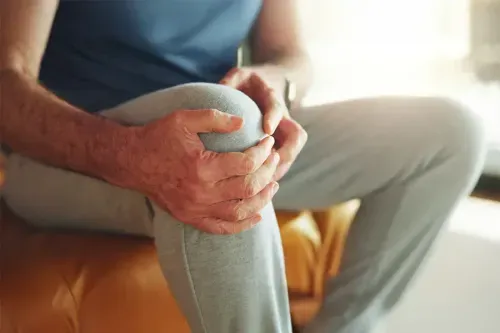
How to Prevent Knee Pain?
How to Prevent Knee Pain: 7 Simple Strategies for Healthy Joints
Knee pain is a common problem that affects people of all ages. Knee pain can affect people of different ages and activity levels. They help us to walk, climb stairs, run and more. Hence, it is important to take care of them.
What are the Symptoms of Knee Pain?
The symptoms of knee pain can differ depending on the underlying cause and the individual.
Some common symptoms of knee pain include:
- Pain
- Weakness or instability
- Trouble walking or running
- Swelling and stiffness
- Redness and warmth to the touch
- Popping or crunching noises
- Limited Range of Motion
- Locking or Catching
Top 7 Ways to Prevent Knee Pain
Here are the top 7 ways you can prevent knee pain and keep your joints healthy for the years to come:
- Stay Active Without Overdoing It: Exercise is one of the best ways to keep knees pain-free and strong. Regular, appropriately paced activity can strengthen the muscles supporting the knees. This takes pressure off the joints. A few low-impact exercises that are good for the knees are swimming, cycling, pilates, yoga and walking. However, it is recommended not to overdo it, as that can cause harm to the knees. Exercises should only be done in moderation.
- Keep Your Weight in Check: Maintaining a weight appropriate to your health may reduce the load on your knee joints. Hence, you need to follow a healthy lifestyle and eating habits along with exercises to keep your weight in check. Try to have a balanced diet with plenty of lean protein, whole grains, fruits and vegetables.
- Strengthen Your Leg Muscles: Having strong leg muscles can help protect your knees. Keep your focus on strengthening your thighs by targeting the quadriceps and hamstrings with exercises. You can do simple exercises like squats, leg lifts, and step-ups. They can make a big difference in strengthening your muscles.
- Warm Up and Stretch Appropriately: Remember to always do a warm-up with light stretches before you begin with your exercise. Otherwise, just directly starting with exercises might put too much pressure on the leg muscles and cause harm. It is equally important to stretch after you are done with exercises. This helps to relax the muscles and reduce stiffness in the knees.
- Wear the Right Footwear: Wearing shoes which fit well and offer good support can actively prevent knee pain. Choose comfortable, well-fitting footwear that supports your planned activities. If you are a person who does a lot of walking or running, make it a practice to replace shoes regularly so as to avoid wearing worn-out soles.
- Avoid Sitting or Standing for Too Long: Staying in the same position for too long can make the knees stiff and sore. Try and take short breaks if you sit at a desk all day or stand for hours. Make sure to stretch your legs, walk around and change positions daily.
- Listen to Your Body: If you feel pain in the knee, do not ignore it. Make sure to ice the area and take proper rest by avoiding activities which can make it worse. Seek prompt medical assessment for knee pain with fever, marked swelling, inability to bear weight, severe injury or a locked joint. Early assessment and appropriate care may help prevent a minor knee problem from worsening.
Prevention of knee pain does not have to be complicated. With a few changes to lifestyle and eating habits, you can keep your knees healthy and strong for a long time.
What are the Treatment Options for Knee Pain?
Some treatments include:
- Wear a knee brace: To get relief from knee pain, wear a knee brace if recommended by a healthcare professional, as certain braces may provide support or symptom relief for specific knee conditions.
- Physical Therapy: A cornerstone of knee pain treatment. A physical therapist can design an exercise program to strengthen the muscles supporting your knee (quadriceps, hamstrings, hips), improve flexibility, and correct movement patterns that contribute to pain. This is often the most effective long-term solution for chronic knee pain.
- Take proper rest: Avoid activities that worsen the pain, especially high-impact exercises. However, complete inactivity can lead to stiffness and weakness. Engage in low-impact cross-training (e.g., swimming, cycling) to maintain fitness while the knee heals.
- Ice: This is a simple and effective home remedy. Apply ice packs around the knee for 15 to 20 minutes at a time, several times a day as needed, especially after activity.
- Medications: A clinician may recommend an appropriate pain reliever or anti-inflammatory medicine, depending on the cause and the person’s medical history.
- Weight management: Move the weight-management explanation to the prevention section and avoid restating it in the treatment list.
- Knee Surgery: In some cases, when conservative treatments fail to provide relief or when there is significant damage to the joint structures, the doctor may suggest that you go for surgery.
- Injections: For persistent inflammation or osteoarthritis, a doctor may recommend corticosteroid injections to reduce inflammation or hyaluronic acid injections to lubricate the joint.
Reader Information: This article is intended for general informational and educational purposes only. Knee pain can have multiple causes, and symptoms, prevention strategies, and treatment options may vary based on individual health conditions and medical history. Always seek the advice of a qualified doctor, physiotherapist, or other healthcare professional before starting any new exercise program, treatment, medication, or lifestyle change, especially if you have persistent pain, injury, swelling, fever, or limited movement.
Also Read:
→ How to Prevent Pancreatitis - Lifestyle Tips for a Healthy Pancreas
Popular Topics
People Also Search For


This content is intended solely for general health awareness and informational purposes and should not be construed as medical advice, diagnosis, prescription or treatment recommendation. Any reference to diseases, medicines or treatments is illustrative and does not constitute an endorsement or recommendation. Please consult a qualified medical practitioner for appropriate medical advice and treatment. Do not self-medicate or alter any prescribed medication based on this information.