





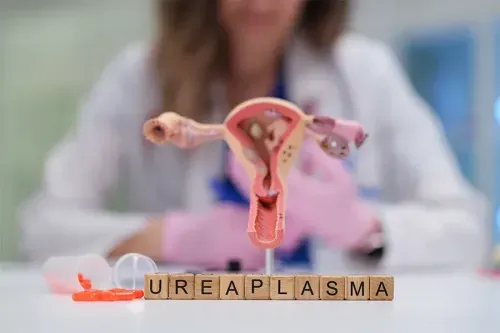
What are the Symptoms of Ureaplasma in Females?
Ureaplasma in females- A Guide to Recognising It
Ureaplasma is a very small bacteria that can live in the urinary and reproductive systems. In most cases, it doesn’t cause any symptoms, especially in people with healthy immune systems. However, if it grows excessively or spreads to certain parts of the body, it can lead to problems.
Being aware of the symptoms of Ureaplasma infection enables people to get proper treatment early and avoid further health issues. Continue reading to find out about its signs, how it’s diagnosed, and the available treatment options.
Common Symptoms and Issues:
Understanding the common symptoms and potential issues associated with ureaplasma is crucial for timely diagnosis and treatment:
Bacterial Vaginosis (BV):
Ureaplasma species may coexist with bacterial vaginosis, but BV is primarily caused by an imbalance in vaginal flora rather than a single organism. The symptoms of BV include:
- Fishy-smelling vaginal discharge
- Discomfort or pain in the vaginal area
- Itching or irritation
Fertility Issues:
Some studies have explored a possible association between Ureaplasma and reproductive tract inflammation, but there is insufficient evidence to confirm a direct causal role in infertility.
What Are the Risks of Ureaplasma During Pregnancy?
Ureaplasma is common in many adults, including pregnant people, and often doesn’t cause problems. However, in some cases, it may be linked to pregnancy complications:
- Early membrane rupture: A 2020 study found a connection between Ureaplasma and the early breaking of the water (amniotic sac) before labor starts.
- Preterm birth: Babies that are born too early are at a risk of ureaplasma infection. Other infections, like bacterial vaginosis, may also increase this risk.
- Chorioamnionitis (infection in the uterus): This infection can happen during pregnancy, especially if water breaks too early.
- Pregnancy loss: Some studies have found a high number of Ureaplasma bacteria in the placenta of people who experienced miscarriage or stillbirth. Some studies have reported higher detection rates of Ureaplasma species in placental tissue following pregnancy loss, but findings are inconsistent and do not establish a direct causal relationship.
Can Ureaplasma Affect Newborns?
Newborn babies have weaker immune systems, so Ureaplasma can sometimes be more dangerous for them, especially if they’re born early. Possible risks include:
- Severe infections: In some cases, Ureaplasma may lead to serious conditions like pneumonia, meningitis (brain infection), or sepsis (a body-wide infection).
- Lung problems in preterm babies: If a baby is born early and exposed to Ureaplasma, they may develop bronchopulmonary dysplasia. This means the lungs didn’t develop fully, either before birth or shortly after.
How Do Doctors Diagnose Ureaplasma?
Ureaplasma is hard to detect using regular lab methods. Instead, doctors usually rely on PCR tests. Depending on where the infection might be, doctors can take samples from:
- A swab of the cervix, vagina, or the lining of the uterus
- A urine sample
- Amniotic fluid (during pregnancy)
- Cerebrospinal fluid (in serious infections, like meningitis)
How Can You Prevent Ureaplasma?
Ureaplasma lives in many people without causing problems, but certain steps can help prevent its spread and lower the risk of infection:
- Use condoms or other barrier methods during coitus.
- Gently wash only the outside of the genitals with plain water.
- Wear clean, breathable underwear (like cotton).
- Change your clothes regularly.
- Avoid harsh scrubbing with cloths or flannels, as they can upset the natural balance and increase the risk of infections.
- Gentle cleansing with mild soap is sufficient. Avoid douching, which disrupts vaginal flora.
What Are the Treatment Options for Ureaplasma?
Antibiotic treatment is generally reserved for symptomatic infections or specific pregnancy-related complications. Choice of antibiotic depends on pregnancy status and local resistance patterns. The most common options are:
- Azithromycin
- Doxycycline
Doxycycline is not used during pregnancy. It's important to finish the full course of antibiotics even if symptoms go away early.
While Ureaplasma is widespread and usually doesn’t cause harm, it can lead to complications under certain conditions like pregnancy. Staying informed, maintaining good personal hygiene, and getting proper medical care are key steps in managing the potential risks.
Disclaimer: This article is intended for general informational and educational purposes only. Always consult a doctor or other licensed healthcare provider for personalized medical advice.
Also Read:
→ Symptoms of Vasculitis in the Legs
→ Symptoms of Viral Endocarditis
→ Symptoms of Viral Meningitis
→ Symptoms of Weak Bladder Muscles
→ Labor Pain Symptoms And Relief - What to Expect Before Delivery
Popular Topics
People Also Search For



Health Insurance Coverage for pre-existing medical conditions is subject to underwriting review and may involve additional requirements, loadings, or exclusions. Please disclose your medical history in the proposal form for a personalised assessment.
This FAQ page contains information for general purpose only and has no medical or legal advice. For any personalized advice, do refer company's policy documents or consult a licensed health insurance agent. T & C apply. For further detailed information or inquiries, feel free to reach out via email at marketing.d2c@starhealth.in







