





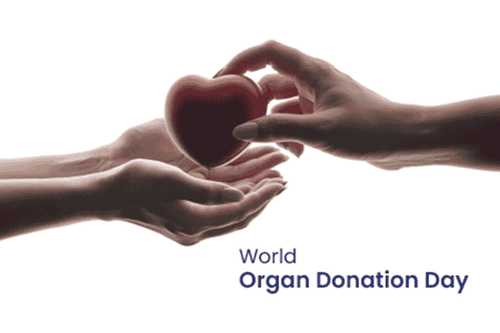
World Organ Donation Day
World Organ Donation Day: A Guide to Saving Multiple Lives
Picture this. An elderly woman regains her sight after a cornea transplant, seeing her grandson clearly for the first time. Or a young father waiting in a hospital corridor hoping for a kidney donor so he can watch his daughter grow up.
Stories like these remind us that organ donation is a profound act of human kindness that gives families a second chance at life. World Organ Donation Day 2026 brings people together across the globe to highlight this life-saving gift.
One individual can save up to eight lives and improve the quality of life for dozens more. Yet, thousands of patients in India spend months or years on waiting lists because the demand for organs far exceeds the supply.
What is World Organ Donation Day 2026 and Why Does It Matter?
World Organ Donation Day 2026 is a global health initiative designed to educate the public, dispel deep-seated myths, and encourage voluntary donor registration.
While medical science has made incredible strides in transplant surgery, these treatments cannot happen without willing donors. This day serves as a gentle reminder that every pledge counts toward reducing preventable losses of life.
The History and Origins of Organ Transplantation
To appreciate how far healthcare has come, it helps to look at World Organ Donation Day history.
- 1954: Dr Joseph Murray performed the first successful human kidney transplant between identical twins in the United States, proving that organ replacement was medically viable.
- 1967: Dr Christiaan Barnard performed the first human-to-human heart transplant in South Africa, pushing surgical capabilities into a new era.
- 1994: India celebrated its first successful deceased-donor heart transplant, marking a pivotal turning point for domestic healthcare.
- Global Observance: Over time, international medical bodies established World Organ Donation Day on August 13 to keep public awareness active every year.
The Modern Mission: Transforming Organ Donation in India
In recent years, the focus of World Organ Donation Day has evolved from basic awareness into digital accessibility.
At the time of writing this article, the official World Organ Donation Day theme for 2026 had not been declared yet, but last year's theme, "Answering the Call," honoured healthcare professionals and encouraged common people to register as organ donors.
In India, the National Organ and Tissue Transplant Organization (NOTTO) leads this transformation. Pledging organs are now linked to digital health identities like the Ayushman Bharat Health Account (ABHA ID), allowing individuals to sign up online in just a few minutes.
Understanding the Life-Saving Impact: Why Organ Donation Matters
The true measure of World Organ Donation Day importance lies in its human impact. When a person suffers end-stage organ failure, a transplant is often their only remaining treatment. Public awareness drives are vital because they directly influence how many lives can be saved.
These are some of the reasons why public participation makes a meaningful difference:
- Bridging the Supply Gap: India faces a large deficit between organ demand and availability, leaving lakhs of patients waiting for organs.
- Saving Multiple Lives: A single deceased donor can donate heart, lungs, kidneys, liver, pancreas, and intestines.
- Restoring Sight and Mobility: Tissue donations like corneas, skin, bone, and heart valves restore daily living capabilities for burn survivors and individuals with blindness.
- Building Community Support: Widespread pledges normalise organ donation across societies, overcoming old cultural taboos.
Who Can Donate Organs and How Does the Process Work?
Most adults can pledge their organs regardless of their background. Medical professionals evaluate donor suitability at the time of death based on medical condition, organ health, and cause of death.
What Organs and Tissues Can Be Donated?
Organ donation falls into two primary categories: living donation and deceased (cadaveric) donation.
- Kidneys: Donated by living or deceased donors, helping patients with severe kidney disease avoid lifetime dialysis.
- Liver: A section can be donated by a living donor because the liver regenerates, or the entire organ can come from a deceased donor.
- Heart and Lungs: Donated exclusively by deceased donors following brain-stem death to save patients with end-stage heart or pulmonary diseases.
- Pancreas and Intestines: Donated by deceased donors, these organs assist individuals suffering from severe diabetes or intestinal failure.
- Tissues: Corneas, skin, heart valves, tendons, and bones can be retrieved hours after cardiac death to heal others.
Can Older Adults and People with Medical Conditions Donate?
Yes, older adults can donate. Age alone does not disqualify a person from becoming a donor. Physicians evaluate the functional health of organs rather than chronological age. Even individuals with chronic conditions like high blood pressure or diabetes can often donate specific organs or tissues after thorough medical checks.
Step-by-Step Guide: How to Register as an Organ Donor
Registering as an organ donor in India is simple, free, and legally recognised. You can complete your registration online from home in five straightforward steps:
- Visit the Official Portal: Go to the official NOTTO registry portal at mohfw.gov.in.
- Authenticate Your Identity: Enter your Aadhaar number to verify your identity through an OTP sent to your registered mobile number.
- Fill Form 7: Complete the official donor pledge form by selecting which organs and tissues you wish to donate.
- Download Your Donor Card: Once submitted, download your official NOTTO organ donor card with your unique registration number.
- Inform Your Family: Share your decision with your family members so they understand and respect your wishes in the future.
Organ Donation: A Simple Choice with a Lasting Legacy
Pledging your organs is one of the most thoughtful choices you can make for society. It turns a moment of grief into a life-saving opportunity for someone else, giving another person a second chance to live a full and healthy life.
As we observe World Organ Donation Day 2026, taking action is simpler than ever before. Take a few minutes to register your pledge online and talk openly with your family about your wishes.
FAQs
It is a global awareness day observed every year on August 13 to encourage organ donor pledges, educate communities, and honour the generosity of donors and their families.
Any individual aged 18 or older can pledge to donate organs regardless of age or past medical history. Medical teams assess organ health at the time of donation.
You can register online through the NOTTO portal using your Aadhaar-linked mobile number, fill out Form 7, and download your official digital donor card.
A donor can give kidneys, liver, heart, lungs, pancreas, and intestines, as well as tissues like corneas, skin, heart valves, and bones.
Yes, older adults can donate. Doctors assess organ fitness individually, and advanced age does not automatically prevent someone from saving lives through donation.
Other Related Topics
Health Insurance Coverage for pre-existing medical conditions is subject to underwriting review and may involve additional requirements, loadings, or exclusions. Please disclose your medical history in the proposal form for a personalised assessment.
Information on this Health Information page is for educational purposes and not medical advice. Consult a healthcare professional for any health issues and rely on their guidance for diagnosis and treatment. T & C apply. For further detailed information or inquiries, feel free to reach out via email at marketing.d2c@starhealth.in







