





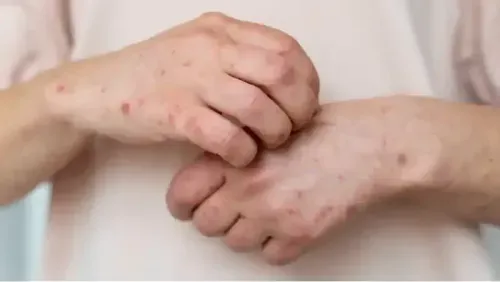
Chickenpox: Diagnosis, Stages & Treatment
Chickenpox: Causes, Symptoms & Preventive Measures
Chickenpox (varicella) is primarily diagnosed through clinical examination, with virological tests used as necessary. Clinical diagnosis relies on symptoms, medical history, and laboratory confirmation in cases that are atypical or complicated.
This guide contains an overview of the diagnosis methods used for determining chickenpox. Keep reading!
What is Chickenpox?
Chickenpox is an infectious viral disease that causes itchy, blister like skin rash. Chickenpox is caused by the varicella‑zoster virus (VZV), a member of the herpesvirus family. This viral infection is highly contagious but nowadays it is less common because at present vaccine is available that protects you from it. Children are more prone to get chickenpox, although you can get it as an adult also.
What are 3 stages of Chickenpox?
Chickenpox lesions typically appear in successive crops, with different stages (macules, vesicles, crusts) present simultaneously on the body.
- Stage 1 begins with red, raised spots that appear on the skin. These typically develop over a few days.
- Stage 2 involves the formation of fluid-filled blisters that may break open within one to two days.
- Stage 3 occurs when the blisters dry out and form scabs, typically lasting several days.
What age will you get chickenpox?
Chickenpox is most common in children under age 12 who have not been vaccinated, but it can occur at any age. Currently, there is vaccine available for preventing chickenpox.
What are the Key Symptoms of Chickenpox?
Chickenpox key symptoms are easy to observe which may include:
- Low-grade fever
- Headache
- Feeling tired
- Stomach ache that makes you not willing to eat.
- A skin rashes characterized by intense itchiness and clusters of small, fluid-filled blisters
- Blisters filled with clear or slightly cloudy fluid that eventually crust over
- Scabs over the blisters break
What are the Diagnostics Methods for Chickenpox?
1. Clinical Diagnosis
The most common method for diagnosing chickenpox is through a clinical examination. Doctors observe the lesions of the vesicular rash characteristic of chickenpox, which typically occurs in three stages:
- Maculopapular Lesions – Flat or raised red spots
- Vesicles – Clear, fluid-filled blisters
- Crusting – Vesicles rupture and scab over
Lesions occur in serial "crops" within 3–5 days and are typically found on the face, trunk, and limbs, often at various stages of development. Pruritus (prickling), low-grade fever, and malaise normally precede these lesions by 1 to 2 days.
In immunocompetent children, a clinical diagnosis is possible without further testing.
2. Patient History and Epidemiology
A thorough epidemiological history is critical. Clinicians inquire:
- Vaccination history (two doses of varicella are recommended).
- History of prior varicella infection.
- History of known exposure to infected persons.
- High-risk settings, such as schools or daycare centres.
Adults, immunocompromised hosts, and pregnant women are at an increased risk for complications and may exhibit atypical or disseminated lesions, necessitating further evaluation.
3. Laboratory Confirmation (When needed)
In situations where clinical presentation is uncertain or atypical, laboratory tests are employed:
- Polymerase Chain Reaction (PCR): It is the "gold standard" for detecting varicella-zoster virus (VZV) DNA in samples from infected lesions. It is susceptible and specific to the disease, especially in early or modified presentations.
- Direct Fluorescent Antibody (DFA) Test: Rapid method for detecting VZV antigen in vesicular fluid or skin scrapings. Less sensitive than PCR but faster.
- Tzanck Smear: A microscopic inspection of vesicular epidermal cells may reveal multinucleated giant cells, indicating infection with the herpes virus. However, it cannot differentiate between VZV and HSV.
- Serologic Testing: The detection of IgM antibodies may indicate a recent infection. However, the results can be unpredictable. IgG detection indicates past exposure or vaccine-induced immunity, which is beneficial for assessing susceptibility among pregnant women and healthcare workers.
4. Differential Diagnosis
In some cases, chickenpox can resemble other conditions that cause rashes, making a careful differential diagnosis essential. The following conditions can mimic chickenpox:
- Hand, Foot, and Mouth Disease: Caused by enteroviruses, this condition typically affects the hands, feet, and mouth.
- Measles: Begins with a facial rash but lacks vesicular lesions.
- Insect bites: Can cause itchy welts but not vesicles or crusting.
- Impetigo: A bacterial skin infection that can produce pustules and crusts but not clusters of lesions in various stages.
- Shingles (Herpes Zoster): Caused by reactivation of the varicella-zoster virus in elderly or immunosuppressed patients. It typically affects one side of the body in a dermatomal distribution and is characterized by pain rather than pruritus.
Why is Accurate Detection?
Early diagnosis ensures timely management and transmission prevention. Secondary bacterial infections, pneumonia, and encephalitis are more common in adults and individuals with compromised immune systems.
Reader Information: This article is intended for general informational and educational purposes only. Readers are advised to seek professional medical guidance for diagnosis, treatment, or management of chickenpox or any other health condition, especially in cases involving infants, pregnant women, older adults, or individuals with weakened immune systems.
Also Read:
Popular Topics
People Also Search For


Health Insurance Coverage for pre-existing medical conditions is subject to underwriting review and may involve additional requirements, loadings, or exclusions. Please disclose your medical history in the proposal form for a personalised assessment.
This FAQ page contains information for general purpose only and has no medical or legal advice. For any personalized advice, do refer company's policy documents or consult a licensed health insurance agent. T & C apply. For further detailed information or inquiries, feel free to reach out via email at marketing.d2c@starhealth.in







