





How Dangerous is Brain Surgery?
Brain Surgery: Purpose, Recovery, Risks & Types
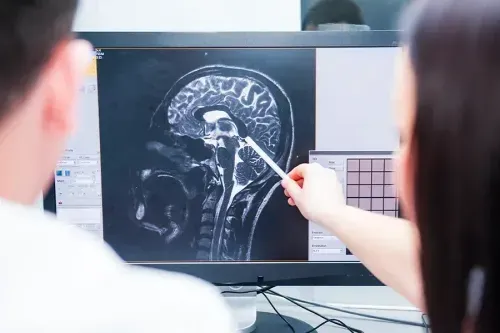
Brain surgery is sometimes necessary for critical conditions when medications or less invasive procedures are insufficient or inappropriate.
Thus, if you or your loved ones are planning to opt for brain surgery, it is customary to know the associated risks, types of conditions which require brain surgery, and other crucial details.
Keep reading for comprehensive insight.
What is Brain Surgery?
Brain surgery is a procedure that treats abnormalities or issue lies in the brain and surrounding areas. Our brain is a part of your central nervous system (CNS). It regulates your ability to speak, thinking process, move and remember. Brain surgery aims to treat medical issues in or around the brain while preserving essential neurological functions, though some procedures carry risks depending on the area involved.
There may be a multiple reasons why someone would need brain surgery. Your healthcare provider may surgically remove abnormal tissue such as a brain tumour or damaged areas causing seizures. Brain surgery can relieve pressure on your brain, whether it is due to blood or increased cerebrospinal fluid. Surgeons can also treat blood vessels that are abnormal like aneurysms.
In brain surgery, risk can be possible so you will need to stay in hospital under observation for the proper monitoring of your healing after surgery.
Who performs brain surgery?
Brain surgery is performed by the neurosurgeon. They will have a highly trained medical professionals work as supporting hands while surgery, along with an anaesthesiologist who will provide anaesthesia.
What does brain surgery treat or manage?
There are multiple reasons behind why you may need to have brain surgery. Following are the most common reasons:
- Brain aneurysms
- Blood clot
- Epilepsy
- Haemorrhages
- Hydrocephalus
- Nerve damage
- Stroke
- Parkinson’s Disease
- Brain tumours
- Arteriovenous Malformations
- Traumatic brain injuries (TBIs)
What are the Risks of Brain Surgery?
The risks of brain surgery vary with the type of surgery and issues being treated. Here are some of the possible risks that may occur due to brain surgery:
- Brain infection
- Clotting of blood
- Bleeding inside the brain
- Swelling or inflammation of the brain
- Memory loss
- Seizures
- Stroke
- Reaction to anaesthesia
What are the Types of Brain Surgery?
Here are some of the common types of brain surgery:
1. Craniotomy
It is performed to remove a blood clot, tumour, epileptic tissue, or arteriovenous malformation. This is an open brain surgery in which the surgeon accesses the patient’s brain after removing a piece of the skull. The piece is replaced after the surgery is over.
2. Biopsy
It is performed to test if the individual has brain cancer or not. In this procedure, the surgeon removes a fluid sample or small tissue from the patient's brain. The sample is collected by inserting a needle into the patient's brain. It is a computer-guided procedure called stereotactic needle biopsy.
3. DBS or Deep Brain Stimulation
It is performed as a treatment for tremors, Parkinson's disease, and any other neurological condition. In this process, electrodes are implanted in specific brain regions and connected to an implantable pulse generator placed under the skin, usually in the chest, which controls electrical stimulation.
4. Neuroendoscopy
Neuroendoscopy commonly accesses the brain through the nasal passages (endonasal approach) or small skull openings, depending on the condition being treated with the help of a narrow tube equipped with a camera, known as an endoscope. It makes them able to extract tumours or address other problems without opening big incisions on the skull, which leads to quick recovery and fewer complications.
5. Endovascular Surgery
Endovascular surgery involves inserting a catheter through an artery (commonly the femoral or radial artery) and guiding it through the arterial system to reach blood vessels in the brain. This procedure makes it possible to treat vascular conditions such as blood clots (thrombectomy) or aneurysms without cracking open the skull, cutting down on recovery time and surgery risks.
6. Craniectomy
It is the process of removing a portion of the skull to access the brain, but unlike with a craniotomy, it is not immediately replaced. This technique is generally utilized when there has been extensive swelling of the brain due to a traumatic brain injury or stroke, as leaving the bone out reduces fatal pressure.
Once the swelling reduces, a subsequent procedure known as a cranioplasty restores the integrity of the skull.
7. Laser Ablation
It treats lesions deep in the brain that are difficult to access with conventional surgery. A slender laser probe is passed through a tiny opening in the skull, applying concentrated heat to kill (ablate) abnormal tissue, like tumours or epileptic foci, with minimal disturbance to nearby brain structures.
Why Do Doctors Recommend Brain Surgery?
The physical abnormalities in one's brain are corrected through brain surgery. Disease, congenital disability, injury, or any other issues in the brain often lead to these conditions. Doctors recommend brain surgery in the following cases:
- Congenital defects, like abnormal blood vessel connections between veins and arteries in the brain.
- Internal brain bleeding is caused by aneurysms, where weakened arterial walls rupture.
- Blood clots and bleeding that require surgical intervention to prevent further damage to the surrounding brain tissue.
- Epidural or subdural hematomas (collections of blood) that need surgical correction.
- Brain oedema is a fluid buildup causing swelling, headaches, and pressure on the brain.
- Brain tumours, especially cancerous ones, often require surgical removal.
- Certain epilepsy cases are caused by brain structure abnormalities or nerve pressure.
- Neuropathic pain resulting from nerve damage due to stroke, tumours, or accidents.
- Infections lead to abscesses in the brain tissue that may need surgical drainage.
- In selected patients with Parkinson’s disease who have symptoms inadequately controlled by medication, surgical options such as DBS can help manage motor symptoms, but they do not cure the disease.
Brain surgery may seem frightening, but it is performed by highly specialized neurosurgeons using advanced, state-of-the-art equipment. Survival rates for many brain surgeries, particularly for certain non-malignant tumours such as meningiomas, are generally high. Actual outcomes vary based on tumour type, location, patient health, and surgical complexity.
Nonetheless, every brain surgery must be evaluated individually, and patients should have thorough discussions with their neurosurgeons to understand their specific risks and benefits.
Reader Information: This article is intended for informational and educational purposes only. Brain surgery is a complex medical intervention, and its risks, benefits, and outcomes vary depending on the individual’s condition, overall health, and the type of procedure performed. Always seek the advice of a qualified neurosurgeon or healthcare professional regarding any medical condition, symptoms, or treatment options, and before undergoing any surgical procedure.
Also Read:
→ What is Exactly Done in Bypass Surgery
→ Is Dental Surgery Covered by Medical Insurance
→ Is Fissure Curable Without Surgery
Popular Topics
People Also Search For


Health Insurance Coverage for pre-existing medical conditions is subject to underwriting review and may involve additional requirements, loadings, or exclusions. Please disclose your medical history in the proposal form for a personalised assessment.
This FAQ page contains information for general purpose only and has no medical or legal advice. For any personalized advice, do refer company's policy documents or consult a licensed health insurance agent. T & C apply. For further detailed information or inquiries, feel free to reach out via email at marketing.d2c@starhealth.in







