





What are the Last Stage Symptoms of Blood Cancer?
A Note on Last Stage Symptoms of Blood Cancer
Blood cancer, also known as Hematologic cancer, affects the bone marrow, blood and lymphatic system of an individual. There are different types of Blood cancer that can affect individuals, namely Myeloma, Lymphoma, and Leukaemia. In advanced stages of blood cancer, treatment effectiveness may decrease due to disease progression, treatment resistance in some cases, or reduced tolerance to therapy, and care often shifts toward symptom management and comfort.
In the final stage of blood cancer, knowing about the symptoms becomes important for loved ones and caregivers, as it helps to provide proper emotional support during such vital times.
Common Last Stage Symptoms of Blood Cancer
Here is an overview of some symptoms which are evident during the last stage of Blood Cancer:
Severe Weakness and Fatigue
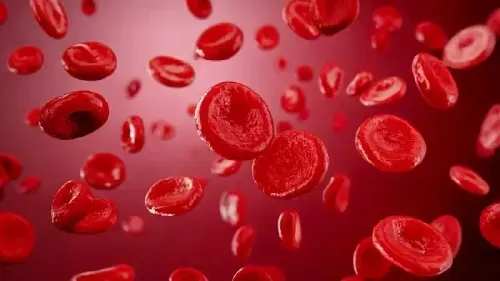
Feeling extremely weak is a usual late-stage symptom. The cancer cells replace the healthy red blood cells, leading to anaemia. This causes persistent weakness, exhaustion and difficulty in performing simple tasks.
Frequent Infections
The immune system becomes weak during the late stage because the white blood cells are either too few or dysfunctional. Patients frequently experience lingering and repeated infections, such as urinary tract infections, pneumonia, and other life-threatening conditions.
Bone and Joint Pain
As the cancer spreads throughout the bone marrow, it leads to deep, persistent pain in the bones and joints. This is very common in myeloma and leukaemia. In such conditions, the bone marrow becomes infiltrated by cancerous cells.
Uncontrolled Bruising and Bleeding
Blood cancers lead to extremely low platelet counts, impairing the ability of blood to clot. It results in many spontaneous bruises, bleeding gums, and nosebleeds and even leads to internal bleeding. The small cuts also take an unusually long time to heal.
Extreme Weight Loss and Cachexia
Patients with blood cancer suffer from extreme weight loss. This is because in the terminal stage, the patient’s appetite decreases, and many also struggle to eat or drink. Sometimes, these people also require assistance with feeding and nutritional support.
Changes in Skin
If the liver is involved, yellowing of the skin and eyes (Jaundice) may be observed. An individual can also get pale skin from anaemia and small red or purple spots due to a low count of blood platelets.
Neurological Symptoms
In some advanced cases and specific subtypes of blood cancer, the disease may involve the central nervous system, affecting the brain or spinal cord. Patients may experience neurological symptoms such as confusion, headaches, or seizures, which can result from CNS involvement, metabolic imbalances, infections, or treatment-related effects. Caretakers must be mindful of these changes and treat them delicately with palliative care.
Psychological and Emotional Changes
Experiencing depression, anxiety, and emotional withdrawal is also common for patients who are in the late stage of Blood cancer. Feelings of restlessness or cognitive decline are also evident in patients during their final days.
By understanding the last stages of blood cancer, caregivers can prepare for what is to come and provide compassion and support. While the late-stage journey is difficult, timely recognition and proper care can ensure the patient experiences as much peace and comfort as possible.
Reader information: This article is intended for general informational and educational purposes only. It does not constitute medical advice, diagnosis, or treatment. The symptoms described may vary depending on the type of blood cancer, the individual’s overall health, and the stage of the disease. Not all patients will experience the same symptoms.
Readers should not rely on this information as a substitute for professional medical consultation. Decisions regarding diagnosis, treatment, or end‑of‑life care should always be made in consultation with a qualified healthcare provider or oncology specialist. If you or a loved one is experiencing severe symptoms or distress, please seek immediate medical attention.
Also Read:
→ Last Stage Symptoms of Oral Cancer
→ What are the Recognised Stages of Cervical Cancer
→ Symptoms of 1st Stage of Breast Cancer
→ Symptoms of Stage 1 Cervical Cancer
Popular Topics
People Also Search For


Health Insurance Coverage for pre-existing medical conditions is subject to underwriting review and may involve additional requirements, loadings, or exclusions. Please disclose your medical history in the proposal form for a personalised assessment.
This FAQ page contains information for general purpose only and has no medical or legal advice. For any personalized advice, do refer company's policy documents or consult a licensed health insurance agent. T & C apply. For further detailed information or inquiries, feel free to reach out via email at marketing.d2c@starhealth.in







