





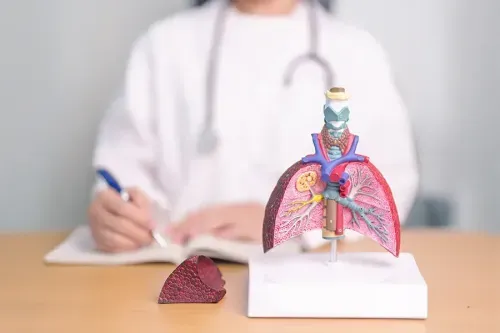
What is Chronic Obstructive Pulmonary Disease?
A Guide to Chronic Obstructive Pulmonary Disease: Key Symptoms, & Treatment Options
Chronic obstructive pulmonary disease (COPD) is a chronic lung disease characterized by persistent, usually progressive airflow limitation that is not fully reversible, associated with chronic inflammatory responses in the airways and lungs. This causes difficulty breathing and makes daily activities challenging. Early detection is essential to ensure timely care and proper management of symptoms.
Thus, it is crucial to understand its symptoms and signs for prompt diagnosis and treatment. Read further to learn about its cause, symptoms, and management.
What are the Causes of Chronic Obstructive Pulmonary Disease?
Chronic obstructive lung disease develops due to long-term exposure to lung irritants that damage the airway walls. Some of the COPD causes are mentioned below:
- Smoking: A primary cause of COPD is smoking in most cases. Harmful substances in smoke provoke irritation and result in lung inflammation, which leads to constricted airways.
- Long-Term Exposure to Air Pollutants: Contact with pollutants such as smoke from burning wood, biomass fuels, vehicle exhaust, and industrial emissions leads to COPD.
- Occupational Lung Disease: Jobs involving exposure to irritant chemicals, fumes, dust, or vapors. Frequently observed in construction roles, mining operations, manufacturing processes, and textile sectors.
- Genetic Factors: Certain rare inherited disorders where the body does not effectively produce alpha-1 antitrypsin protein, leading to compromised immunity of the lungs, causing COPD.
What are the Symptoms of Chronic Obstructive Pulmonary Disease?
COPD is a progressive lung disease that reduces airflow, causing breathing difficulties. Listed below are its symptoms:
- Persistent Cough: A recurring cough that does not go away is often a warning sign of lung irritation.
- Excess Mucus: An increase in sputum production occurs typically due to inflamed airways. It is dense and hard to remove, which raises the likelihood of infection and lung injury over time.
- Shortness of Breath: Dyspnea caused by COPD inhibits activities of daily living, making tasks such as dressing, walking, and stair climbing difficult.
- Wheezing: Airway narrowing may cause wheezing, typically more noticeable during expiration, although wheezing may be absent in some individuals with COPD.
- Fatigue: A decrease in the body's oxygen supply causes easy fatigue. This leads to exhaustion and directly affects concentration, mood, and behavior.
- Cyanosis: It is caused by low blood oxygen levels (hypoxemia), may be seen in some individuals with advanced COPD.
How to Diagnose Chronic Obstructive Pulmonary Disease?
The stages involved in diagnosis are outlined below.
- Physical Examination: The doctor may listen to your lungs to evaluate wheezing or crackling sounds on auscultation, check oxygen levels using a pulse oximeter, and look for signs like cyanosis.
- Blood Test: If COPD develops in a non-smoker or younger patient, doctors may request a blood test to rule out genetic causes.
- Supplementary Test: Chest X-rays or CT scans may be done to exclude other lung diseases such as pneumonia or lung cancer.
- Pulmonary Function Tests (PFT): These assessments evaluate the functionality of your lungs. Pulmonary function testing primarily involves spirometry, which is essential for diagnosing COPD. Additional tests such as lung volumes and diffusion capacity may provide supportive information, while pulse oximetry and exercise tests assess oxygenation and functional capacity rather than lung mechanics.
How to Treat Chronic Obstructive Pulmonary Disease?
Treatment of COPD is aimed at the following:
- Lifestyle Modifications: Avoiding smoking and limiting exposure to environmental pollution is essential. Routine vaccinations against influenza and pneumococcus (as per age guidelines) are recommended.
- Physiotherapy Management: Pulmonary rehabilitation, including breathing exercises and physical training, has been shown to improve symptoms, exercise tolerance, and quality of life, but it does not reverse lung damage.
- Pharmacological Treatment: Your doctor may prescribe bronchodilators, inhaled corticosteroids, and relevant medication to provide relief, reduce airway narrowing, and promote airway clearance.
- Monitoring and Follow-up: Regular monitoring of symptoms such as dyspnea, coughing, and excessive sputum production is important to manage disease progression and adjust treatment as needed.
Conclusion
Chronic obstructive pulmonary disease is a long‑term, progressive lung condition that significantly affects breathing and quality of life. Early recognition of symptoms, accurate diagnosis, and consistent management including lifestyle changes, appropriate medical therapy, and regular follow‑up are essential to slow disease progression and reduce complications. With timely care and informed management, individuals with COPD can achieve better symptom control and improved daily functioning.
Also Read:
→ What Type of Disease is Sarcoidosis
→ What is Mucopolysaccharidosis
→ What is Hailey and Hailey Disease
→ What is a Dandy-Walker Malformation Associated With
Popular Topics
People Also Search For


Health Insurance Coverage for pre-existing medical conditions is subject to underwriting review and may involve additional requirements, loadings, or exclusions. Please disclose your medical history in the proposal form for a personalised assessment.
This FAQ page contains information for general purpose only and has no medical or legal advice. For any personalized advice, do refer company's policy documents or consult a licensed health insurance agent. T & C apply. For further detailed information or inquiries, feel free to reach out via email at marketing.d2c@starhealth.in







