

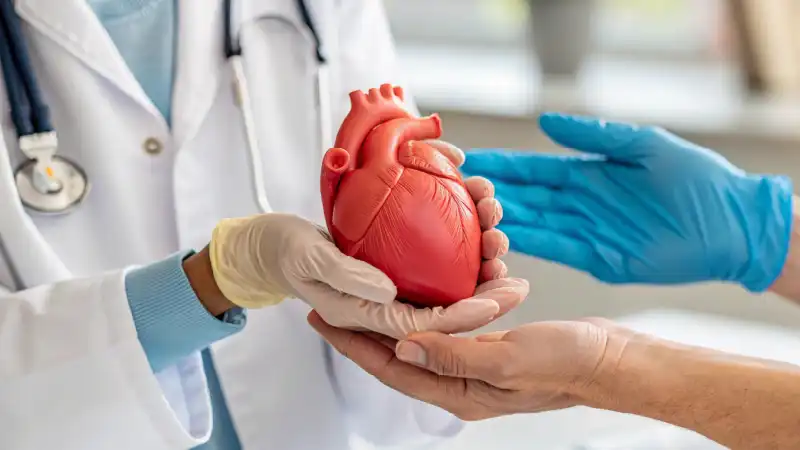
National Heart Valve Disease Awareness Day
India’s Cardiac Challenge: A Deep Dive into Heart Valve Disease
Every year on the 22nd of February, the medical community observes National Heart Valve Disease Awareness Day. This day carries specific weight for India. While our healthcare systems have made giant strides in managing heart attacks, we are now facing a "Silent Epidemic." Heart valve disease affects millions across the country, yet it remains hidden in plain sight, frequently overshadowed by more acute cardiac emergencies.
The challenge in India is unique. We deal with a "double burden" a few other nations face. On one hand, a significant portion of our population still suffers from Rheumatic Heart Disease (RHD), often starting from untreated childhood infections. On the other hand, our rapidly ageing urban population is seeing a sharp rise in degenerative valve issues. This awareness day is a call to look beyond the obvious and listen to the subtle, persistent signals our hearts are sending.
The Hidden Mechanics: How Your Heart’s ‘Doors’ Function
To understand the gravity of this challenge, we must look at the heart as a mechanical marvel. Its efficiency depends entirely on the operation of four valves: the Mitral, Tricuspid, Pulmonary, and Aortic valves. Think of these as the heart's internal gatekeepers.
- The Opening Phase: For every beat, these valves must open wide to allow blood to move forward into the next chamber or out to the body.
- The Closing Phase: Once blood has passed, they must snap shut perfectly. This seal is vital; it prevents blood from leaking backward ensuring that blood flows in one direction.
When these valves fail, the entire circulatory system is thrown into chaos through two primary malfunctions.
- Stenosis (The Rusty Hinge): The valve becomes stiff and narrow. Much like a rusty door that won't open fully, this forces the heart to pump with dangerous pressure to squeeze blood through a restricted gap.
- Regurgitation (The Leaky Seal):The valve does not close tightly, causing a "leak." Like a faulty seal on a pump, this backflow forces the heart to pump the same blood twice, eventually exhausting the muscle and leading to heart failure.
Addressing the ‘Shrinkage’ Myth: What’s Really Happening?
Many patients approach cardiologists with anxiety regarding heart valve shrinkage treatment. While "shrinkage" is not a formal medical term, it describes a very real physical sensation of restricted capacity. In the clinical world, this usually points to structural changes.
- Valve Narrowing (Calcification): Over time, calcium deposits build up on the valve leaflets, acting much like limescale in a pipe. This makes the opening smaller and less flexible, essentially "shrinking" the path for blood flow.
- Tissue Atrophy: The delicate tissue of the valve flaps may thin or waste away (atrophy) due to age or chronic inflammation.
Modern heart valve disease treatment aims to restore this passage. Whether through widening the existing valve or replacing thinned tissue with durable material, the goal is to ensure the heart does not have to pump with excessive force just to maintain basic circulation.
Who Is Most at Risk?
Identifying risk early is the cornerstone of heart valve disease prevention. While anyone can develop a valve issue, certain groups are at higher risk:
- The Ageing Population: As we cross 60, natural wear and tear increases. Aortic stenosis, in particular, becomes much more common as valves become calcified.
- History of Infections: In India, many adults who had rheumatic fever as children are now reaching a stage where latent damage is becoming symptomatic.
- Lifestyle Factors: Chronic high blood pressure and diabetes are physical stressors that cause the valves to stiffen prematurely.
Recognising the Red Flags: Symptoms You Shouldn’t Ignore
One of the reasons this is called a silent epidemic is that the symptoms are often easy to ignore. You might assume you are simply "getting older." However, heart valve disease symptoms are specific distress signals:
- Breathlessness: Difficulty breathing during a routine walk or needing extra pillows to sleep comfortably.
- Chest Pressure: A feeling of tightness or "angina" during physical activity.
- Persistent Fatigue: Deep, bone-tired exhaustion that does not improve with rest.
- Dizziness: Sudden light-headedness, especially when standing up quickly.
- Palpitations: A sensation that your heart is skipping a beat or racing without cause.
The Path to Recovery: Modern Medical Solutions
The first line of heart valve disease prevention is a simple stethoscope check. A doctor can often hear a "murmur" long before you feel any pain. When a diagnosis is confirmed, treatment options are more advanced than ever.
Heart valve disease treatment without surgery is a significant breakthrough. Procedures like TAVI (Transcatheter Aortic Valve Implantation) allow doctors to replace a valve via a small tube inserted into an artery in the leg. This "keyhole" approach avoids a large chest incision, resulting in less pain and faster recovery.
MitraClip is another procedure for those with a leaking mitral valve. In this case, a tiny clip can be delivered via catheter to help the valve leaflets close more effectively. It stops the backflow of blood without requiring open-heart surgery.
Conclusion: Securing Your Heart’s Future
National Heart Valve Disease Awareness Day is a vital reminder to be proactive. We must stop dismissing our symptoms as signs of old age. Advanced procedures like TAVI are a significant investment. To ensure access to the best treatment, policies like Star Cardiac Care Insurance Policy provide specialised coverage designed for cardiac patients. It provides financial security you need to focus on your recovery and your family.
FAQs
People Also Search For
ABHA Card Related Topics
Health Insurance Coverage for pre-existing medical conditions is subject to underwriting review and may involve additional requirements, loadings, or exclusions. Please disclose your medical history in the proposal form for a personalised assessment.
Information on this Health Information page is for educational purposes and not medical advice. Consult a healthcare professional for any health issues and rely on their guidance for diagnosis and treatment. T & C apply. For further detailed information or inquiries, feel free to reach out via email at marketing.d2c@starhealth.in