





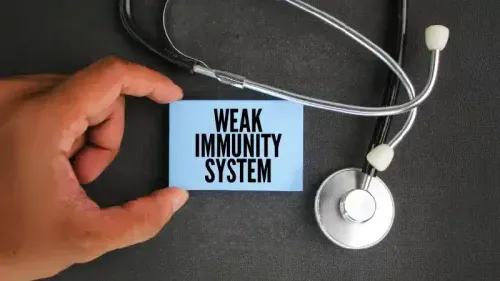
Weak Immune System Symptoms & Natural Boosting Tips
Everything You Need to Know About the Immune System
Your body is exposed to thousands of viruses, bacteria, and other harmful invaders daily. However, you don't always get sick—thanks to your immune system, the body's defense mechanism. A healthy immune system functions like a shield, repelling infections and promoting overall health. It works hard behind the scenes to keep you safe.
This blog will examine the immune system, its main types, and functions. You will learn to recognize the signs of a weak or strong immune system. Additionally, we will share simple immune system boosters to help people stay healthier longer.
What is Immune System?
The immune system is a vast network of cells, tissues, proteins, and organs that protects the body from harmful organisms like bacteria, viruses, fungi, and parasites. When functioning correctly, it recognizes threats, attacks them, and remembers them for future defense.
It’s most important parts are:
- White Blood Cells (leukocytes) –The first line of defense.
- Lymphatic System –Delivers immune cells throughout the body.
- Bone Marrow –Produces white blood cells.
- Thymus –Teaches T-cells to recognize threats.
- Spleen –Cleanses the blood and supports immune function.
- Antibodies –Proteins that inactivate pathogens.
What are the Types of Immune System?
The immune system is divided into three types, each playing a unique role in protecting the body:
1. Innate Immunity
This is the body's inherent first line of defense. Always present from birth, it acts quickly and non-specifically against pathogens using barriers such as skin, mucous membranes, and immune cells like neutrophils and macrophages.
2. Adaptive Immunity
Also known as acquired immunity, it develops gradually through exposure to antigens. This type of immunity provides specific responses and long-term protection by activating lymphocytes, including T and B cells, which effectively remember and fight off previously encountered pathogens.
3. Passive Immunity
This temporary immunity, passive immunity, is acquired from another source. Examples include antibodies passed from mother to child through breast milk or placenta, and antibody injections that provide immediate but short-term protection against specific diseases.
What are the Symptoms of a Weak and Strong Immune System?
Recognizing whether your immune system is functioning optimally is crucial to maintaining health. Here’s a comparison to help you identify the state of your immune system:
| Category | Weak Immune System Symptoms | Strong Immune System Symptoms |
| Frequency of Illness | Frequent infections (cold, flu, sinus, ear, or respiratory) | Rarely falling sick, even during seasonal outbreaks |
| Healing Ability | Wounds that take longer to heal | Minor cuts and bruises heal quickly |
| Digestive Health | Diarrhea, bloating, or constipation | Proper digestion and regular appetite |
| Energy Levels | Constant fatigue or tiredness | Good energy levels throughout the day |
| Inflammation & Fever | Inflammation or recurring fevers | Normal body temperature and no recurring fevers |
| Skin Condition | Skin rashes or unexplained bruising | Clear, healthy skin |
| Stress and Mental Health | Persistent stress or anxiety | Better emotional balance and stress management |
| Blood Health | Anemia or low white blood cell count | Healthy blood counts and balanced immune response |
Recognizing weak immune system symptoms versus strong immune system signs is essential for early intervention and optimal health. Regular check-ups and healthy lifestyle choices can help shift from weakness to resilience.
What Causes a Weak Immune System?
Weakened immunity may make the body more susceptible to infections and prolong recovery. Various health and lifestyle factors contribute to compromised immune function:
- Inadequate Nutrition: Insufficient intake of necessary nutrients, including vitamins C, D, and zinc, can impair immune cell production and function.
- Chronic Stress: Long-term stress elevates cortisol levels, weakening the immune response and lowering the body's resistance to illness.
- Poor Sleep: Consistently sleeping less than 7 hours undermines immune memory and decreases infection resistance.
- Sedentary Lifestyle: A sedentary lifestyle reduces blood flow, hindering the movement of immune cells and their response.
- Medical Conditions: Conditions such as HIV/AIDS, diabetes, and autoimmune diseases can gradually compromise immunity.
- Medications and Treatments: Immunosuppressive therapy and chemotherapy can diminish immune cell production.
- Smoking and Alcohol: Tobacco and excessive alcohol consumption impair immune tissues and weaken defense mechanisms.
How to Improve Immune System?
A healthy immune system is essential for preventing infections and maintaining overall health. The good news is that a few lifestyle routines can naturally enhance immune function:
1. Have a Nutrient-Dense Diet:
Consume a balanced diet rich in fruits, vegetables, whole grains, lean proteins, and healthy fats. Vitamins and minerals such as vitamin C (from citrus fruits), vitamin D (from sunlight and fortified foods), zinc (from nuts, seeds, and legumes), and antioxidants are vital for strengthening the immune system.
2. Regular Exercise:
Engaging in moderate physical activity, such as brisk walking, cycling, or yoga, can improve circulation and promote healthy immune cell function. Aim for at least 150 minutes of moderate exercise each week.
3. Get Quality Sleep:
Adequate sleep is crucial for immune regulation. Adults should aim for 7 to 9 hours of restful sleep each night. Poor sleep can decrease the production of infection-fighting cytokines and antibodies.
4. Manage Stress:
Chronic stress releases hormones like cortisol that can suppress immune function. Adopt stress-reducing activities such as meditation, deep breathing, journaling, or walking in nature.
5. Stay Well-Hydrated:
Adequate water intake supports the lymphatic system and aids in toxin removal. Aim for about 8 glasses of water daily, though individual needs may vary.
6. Avoid Smoking and Limit Alcohol:
Both smoking and excessive alcohol consumption can damage the immune system, resulting in weakened defenses. Smoking compromises immune protection and damages respiratory tissues, while excessive drinking hampers the body's immune response to invading organisms.
7. Practice Good Hygiene:
Regular handwashing, safe food handling, and vaccinations help protect your body from harmful microbes. These practices prevent the spread of infections, reduce illness risk, and strengthen immunity, ensuring better overall health and safety for you and those around you.
8. Consider Probiotics:
Digestive health is closely linked to immunity. Consuming probiotics found in yogurt, kefir, or supplements can support a healthy gut microbiome, vital in strengthening the immune system and protecting the body from harmful pathogens.
By consistently adopting these habits, you can strengthen your immune system and enhance your body’s ability to fight illness.
The immune system is your body's natural defense force and deserves attention. A healthy immune system protects you from infections, aids in healing, and plays a significant role in overall health. You can naturally support your immune system by making wise lifestyle choices—eating well, exercising regularly, getting adequate sleep, and managing stress. It’s never too late to start investing in your immunity.
HELP CENTRE
Confused? We’ve got the answers
We’re Star Health. We offer the coverage that’s designed to help keep you healthy. It's the care that comes to you, and stays with you.
Proper sleep, drinking plenty of water, and avoiding junk food can provide a limited immediate boost to the immune system. However, long-term benefits come from maintaining healthy habits over the years.
Immune system boosters are nutrient-rich foods that help strengthen the body’s natural defense against infections. They typically contain high levels of vitamins (especially C, D, and E), antioxidants, zinc, and probiotics, all enhancing immune functions.
Not always. If you eat a balanced diet, you might not need supplements. However, some individuals with deficiencies in Vitamin D, B12, zinc, or iron may require supplements, but only under the guidance of a medical professional for safe and effective use.
An overactive immune system occurs when the body’s defense mechanisms overreact, attacking its healthy cells and tissues. This can lead to autoimmune diseases like rheumatoid arthritis, lupus, or psoriasis, where the immune system mistakenly identifies healthy body parts as invaders.
Regular, moderate exercise promotes immune function by enhancing immune surveillance and reducing inflammation. It allows the body to respond more effectively to infections. However, overtraining— excessive or intense exercise—can impair immunity and increase susceptibility to illness, making it essential to maintain a balanced routine to support immune health.
People also search for
ABHA Card Related Topics
Health Insurance Coverage for pre-existing medical conditions is subject to underwriting review and may involve additional requirements, loadings, or exclusions. Please disclose your medical history in the proposal form for a personalised assessment.
Information on this Health Information page is for educational purposes and not medical advice. Consult a healthcare professional for any health issues and rely on their guidance for diagnosis and treatment. T & C apply. For further detailed information or inquiries, feel free to reach out via email at marketing.d2c@starhealth.in







