





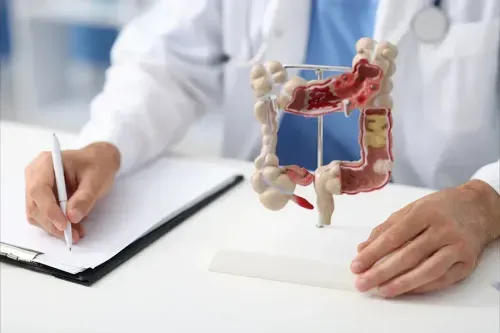
How to Prevent Colitis?
Preventing Colitis: Your Comprehensive Guide
Colitis is a chronic inflammation of the colon, which is the main part of the large intestine. Factors like autoimmune disease, infections can cause symptoms like diarrhoea, abdominal pain and blood in the stool. Crohn’s disease can involve the colon and cause colitis. Irritable Bowel Syndrome (IBS), however, does not cause colitis as it does not involve intestinal inflammation. You cannot prevent it completely, but lifestyle modifications can help manage the symptoms.
What are Natural Remedies to Manage Colitis?
Medicines are the first line of treatment for ulcerative colitis, but there are some natural remedies or suggestions to manage colitis. These include:
Changes in Daily Diets
Reduce these foods that can worsen your colitis symptoms:
- Whole grains
- Legumes, seeds, and nuts
- Gluten
- Lactose
- Unpeeled vegetables or unripe foods
- Cruciferous vegetables like cauliflower and broccoli
- Sugars
- Fried, ultra-processed and fat-containing foods
- Sweetened beverages
- Alcohol
Note: Some individuals may find that certain high‑fiber or gas‑producing foods worsen symptoms, particularly during flares. Food tolerances vary, and dietary changes should be individualized.
Diets that will help you manage colitis are:
- Vegan diets
- Paleo diets
- Low-Fat diets
- Low FODMAP diets (Diets to reduce trigger irritation or inflammation in the gut, leading to cause of digestive stress).
- Mediterranean diets (emphasising plant-based foods along with an adequate amount of fat, protein and carbohydrates).
Use Herbal Remedies
As per the latest studies, certain herbal medicines possess antioxidant and anti-inflammatory properties. These help in improving the overall gut health and promote prolonged remission of ulcerative colitis.
These include:
- Boswellia
- Psyllium seeds or husks
- Ginseng
- Bromelain
- Turmeric
Some herbal supplements have shown anti‑inflammatory properties in limited studies, but evidence is variable and they should not replace standard medical treatment. You may consult with your healthcare professionals to know the outcomes of these medicines.
Probiotics
Probiotics promote the growth of good bacteria in the colon and other intestinal regions. Good bacteria develop improved gut health and maintain a natural gut microbial flora. Evidence for probiotics is stronger in ulcerative colitis than in Crohn’s disease, where benefits remain limited and inconsistent.
The most effective probiotics for Colitis include:
- Lactobacillus rhamnosus (LG)
- Bifidobacterium
- Saccharomyces Boulardii
- Lactobacillus acidophilus
You must consult with your healthcare provider before taking probiotics, as they can provide alternative medicines depending on your health condition.
Regular Workouts
Regular workouts or exercise have various health benefits for people who have IBS (Irritable Bowel Syndrome). These include:
- Boosts the overall immune system of that person
- May help to reduce the progress of the infection.
- Improves the quality of life and daily moods.
- Strengthens the bones and the overall skeletal structure.
You can start with smaller exercises like:
- Walking
- Cycling
- Rowing
- Swimming
- Yoga
After doing these for a few days, you can start doing other exercises to improve the overall physiology. These activities can reduce digestive symptoms of colitis without any heavy-dose medicines.
Manage your Stress
Conditions like colitis are extremely stressful, and managing them is worse. Recent studies show that stress can trigger a colitis flare.
You can follow these steps to manage and relieve stress:
- Mediation
- Practice deep breathing exercises
- Doing regular exercises and workouts
- Walking Outside
- Doing stretching regularly
- Cutting down or avoiding alcohol
- Listens to music or reads books
- Share your feelings with your close ones
- Join a support group
Adequate hydration, stress management and avoiding trigger foods can reduce the risk of colitis. You have complete freedom to do experiments before selecting the best stress management strategy to manage stress. Share your thoughts or feelings with your healthcare provider and get preventive measures to manage the symptoms of colitis.
Reader Information: This article is intended for general informational purposes only and should not be considered a substitute for professional medical advice, diagnosis, or treatment. Colitis is a complex condition with multiple causes, and symptoms, triggers, and treatments may vary between individuals. Always consult a qualified healthcare professional or gastroenterologist before making changes to your diet, starting supplements, probiotics, herbal products, or modifying your treatment plan, especially if you have ulcerative colitis, Crohn’s disease, or other chronic gastrointestinal conditions.
Also Read:
→ How to Prevent Ear Infections
→ How to Prevent Eye Flu - 6 Foolproof Methods
→ How to Prevent Pancreatitis - Lifestyle Tips for a Healthy Pancreas
Popular Topics
People Also Search For


Health Insurance Coverage for pre-existing medical conditions is subject to underwriting review and may involve additional requirements, loadings, or exclusions. Please disclose your medical history in the proposal form for a personalised assessment.
This FAQ page contains information for general purpose only and has no medical or legal advice. For any personalized advice, do refer company's policy documents or consult a licensed health insurance agent. T & C apply. For further detailed information or inquiries, feel free to reach out via email at marketing.d2c@starhealth.in







